India’s legal system is vast and complex. To reduce the burden on regular courts and ensure faster resolution of specialized disputes, law tribunals were introduced. Today, tribunals form an important part of India’s justice delivery mechanism, handling matters ranging from government service disputes to corporate insolvency and environmental protection. This guide explains what tribunals are, why they exist, their constitutional basis, major types, powers, and the appeal process in simple and clear terms.
What Are Law Tribunals?
A tribunal is a quasi-judicial body established by an Act of Parliament or State Legislature to decide disputes in specific areas of law. Unlike traditional courts, tribunals focus on specialized subjects and often include both judicial members (judges) and technical experts.
They are designed to be:
- Faster than regular courts
- Less formal in procedure
- Technically specialized
- Cost-effective
Constitutional Basis of Tribunals
Tribunals in India are primarily based on:
- Article 323A – Administrative tribunals
- Article 323B – Tribunals for taxation, labour, land reforms, elections, and other specified matters
These provisions were added by the 42nd Constitutional Amendment in 1976 to strengthen specialized adjudication.
The service-related tribunals are governed by the Administrative Tribunals Act, 1985.
Why Were Tribunals Created?
India faces a significant backlog of cases in courts. Tribunals were created to:
- Reduce burden on High Courts and lower courts
- Provide expertise in technical areas like taxation and company law
- Speed up dispute resolution
- Ensure specialized decision-making
Over time, tribunals have become essential in sectors such as banking, corporate law, environmental law, telecom, and securities regulation.
Major Law Tribunals in India
1. Central Administrative Tribunal (CAT)
Central Administrative Tribunal
The Central Administrative Tribunal deals with disputes related to central government employees.
It handles:
- Recruitment issues
- Promotions
- Transfers
- Disciplinary actions
- Service conditions
It was established under the Administrative Tribunals Act, 1985.
2. National Company Law Tribunal (NCLT)
National Company Law Tribunal
NCLT handles corporate disputes and insolvency matters under the Insolvency and Bankruptcy Code (IBC), 2016.
It deals with:
- Company mismanagement
- Shareholder disputes
- Corporate restructuring
- Insolvency proceedings
Appeals from NCLT go to the National Company Law Appellate Tribunal.
3. National Green Tribunal (NGT)
National Green Tribunal
The NGT was established under the NGT Act, 2010.
It handles:
- Environmental protection cases
- Pollution control matters
- Forest and wildlife disputes
It is expected to dispose of cases within six months, making it one of the faster tribunals.
4. Income Tax Appellate Tribunal (ITAT)
Income Tax Appellate Tribunal
ITAT hears appeals against orders passed by income tax authorities. It is one of the oldest tribunals in India.
5. Debt Recovery Tribunal (DRT)
Debt Recovery Tribunal
DRT deals with recovery of debts owed to banks and financial institutions.
6. Armed Forces Tribunal (AFT)
Armed Forces Tribunal
AFT addresses service matters and court-martial appeals involving members of the armed forces.
Structure of Tribunals
Tribunals generally consist of:
- Judicial Members – Former judges of High Courts or experienced legal professionals
- Technical Members – Experts from relevant fields such as finance, environment, administration, or corporate affairs
Appointments are made by the Central Government through selection committees.
The Tribunals Reforms Act, 2021 standardized appointment processes, tenure, and retirement ages.
Powers of Tribunals
Tribunals have powers similar to civil courts in matters such as:
- Summoning witnesses
- Taking evidence
- Issuing interim orders
- Reviewing their own decisions
However, they are not strictly bound by the Code of Civil Procedure. Instead, they follow principles of natural justice, ensuring fairness and transparency.
Appeal and Judicial Review
Tribunal decisions are not final.
In the landmark case L. Chandra Kumar v. Union of India (1997), the Supreme Court held that:
- High Courts retain the power of judicial review.
- Tribunal decisions can be challenged before High Courts.
The general appeal structure is:
Tribunal → Appellate Tribunal (if available) → High Court → Supreme Court
Judicial review is considered a basic feature of the Constitution.
Difference Between Courts and Tribunals
| Basis | Courts | Tribunals |
| Creation | Constitution | Statute |
| Members | Judges only | Judges + experts |
| Procedure | Formal and strict | More flexible |
| Subject | General law | Specialized matters |
| Speed | Often slower | Designed to be faster |
Challenges and Criticism
Despite their importance, tribunals face challenges:
- Vacancies in key positions
- Infrastructure limitations
- Concerns over executive control in appointments
- Delays in certain tribunals
There is an ongoing debate about maintaining independence and ensuring efficiency.
Importance of Tribunals in India
Tribunals play a crucial role in:
- Corporate insolvency resolution
- Environmental protection
- Tax administration
- Banking recovery
- Government service discipline
Without tribunals, High Courts would face even greater backlogs.
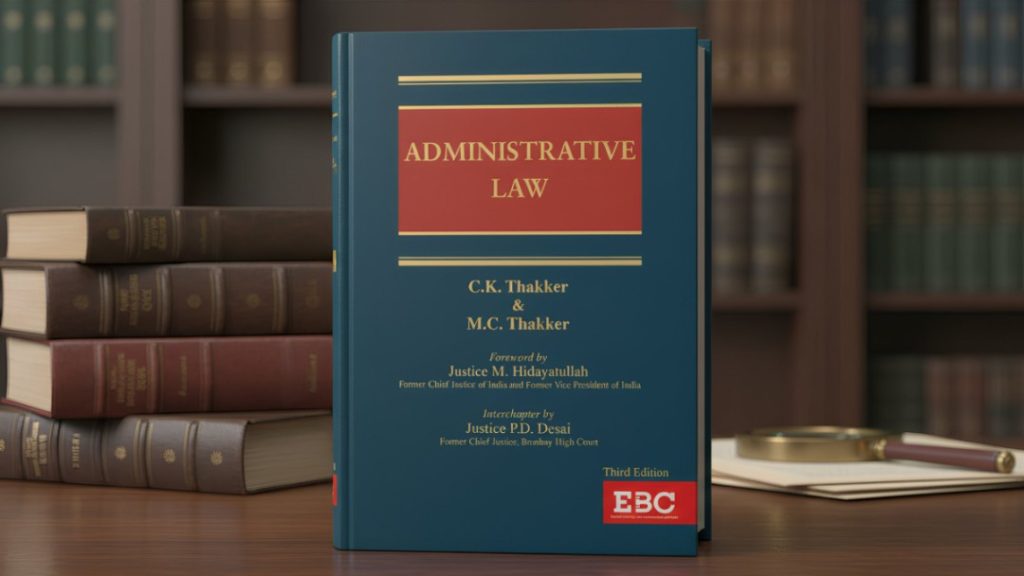
To know more about the topic, you may check out this book.