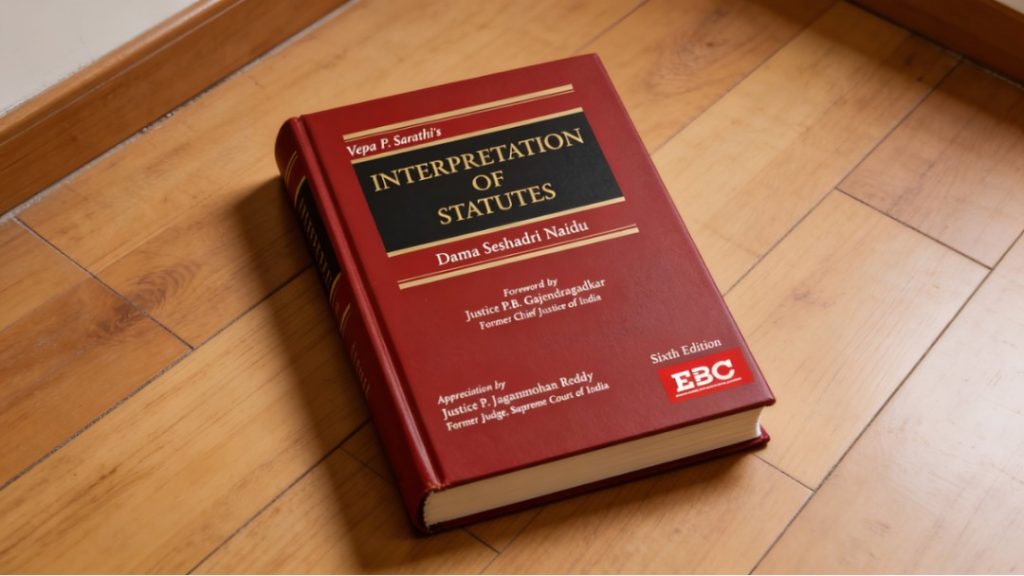
Laws are written in language, and language is rarely perfect. Words can be vague, broad, or open to multiple interpretations. Because of this, courts must often determine what a law actually means before applying it. This process is known as interpretation of statutes, a fundamental function of the judiciary that ensures legislation operates fairly, logically, and as intended.
Although it may sound like a technical legal concept, statutory interpretation directly affects ordinary people. It influences rights, duties, penalties, contracts, and government authority. Understanding its principles helps individuals better comprehend how laws function in real life, not just how they are written.
Why Interpretation Is Necessary
Interpretation becomes necessary for several reasons:
- Ambiguity: Words may have multiple meanings.
- Unforeseen situations: Legislatures cannot predict every future scenario.
- Complex legal drafting: Technical language may require clarification.
- Social and technological change: Old laws must be applied to modern realities.
Thus, interpretation ensures laws remain workable and relevant.
Rules and Methods of Interpretation
Courts use established legal principles to interpret statutes. The most recognized methods include:
1. Literal Rule
Words are given their ordinary dictionary meaning. Courts apply the law exactly as written, even if the outcome seems harsh.
2. Golden Rule
If the literal interpretation produces an absurd or unjust result, judges may modify the meaning slightly to avoid that outcome.
3. Mischief Rule
Courts consider the “mischief” or problem the statute was intended to remedy and interpret the law to suppress that problem.
4. Purposive Approach
Modern courts often focus on the overall purpose and object of the legislation rather than just its wording.
Internal and External Aids Used by Courts
Internal Aids (Inside the Statute)
Judges examine parts of the statute itself:
- Preamble
- Title
- Definitions section
- Headings
- Provisos
- Schedules
These components help clarify legislative intent.
External Aids (Outside Sources)
If ambiguity remains, courts may consult:
- Legislative debates
- Law Commission reports
- Previous statutes
- Dictionaries
- International conventions
Courts usually rely on internal aids first before turning to external sources.
Legal Presumptions Applied in Interpretation
Courts operate with certain legal presumptions unless the statute clearly states otherwise:
- Laws are presumed not retrospective unless specified.
- Legislatures are presumed not to intend absurd results.
- Criminal liability requires clear statutory wording.
- Statutes are presumed not to change existing law unless explicitly stated.
These presumptions maintain fairness and predictability.
Important Latin Canons of Interpretation
Courts frequently apply traditional interpretive maxims:
- Ejusdem Generis — general words are limited to the same category as specific words listed before them.
- Noscitur a Sociis — a word’s meaning is shaped by surrounding words.
- Expressio Unius Est Exclusio Alterius — mentioning one thing implies exclusion of others.
These principles prevent overly broad or unintended interpretations.
Strict vs Liberal Interpretation
The type of statute determines how strictly it is interpreted:
| Type of Law | Interpretation Style | Reason |
|---|---|---|
| Penal laws | Strict | Protect liberty |
| Tax statutes | Strict | No tax without clear wording |
| Welfare laws | Liberal | Promote social benefit |
| Remedial laws | Liberal | Advance justice |
Mandatory vs Directory Provisions
Courts must decide whether a statutory requirement is:
- Mandatory — must be followed exactly; violation invalidates the act.
- Directory — substantial compliance is enough.
Judges determine this by examining legislative intent, wording, and consequences of non-compliance.
Role of Courts in Statutory Interpretation
Interpretation is primarily a judicial responsibility. When higher courts such as the Supreme Court of India or the Supreme Court of the United States interpret a statute:
- Their interpretation becomes binding precedent.
- Lower courts must follow it.
- Legislatures may amend the law if they disagree.
This creates a dynamic balance between legislature and judiciary.
Interpretation vs Judicial Law-Making
A major constitutional issue is distinguishing between:
- interpreting law (legitimate judicial role), and
- creating law (legislative role).
Courts must interpret statutes without rewriting them. However, when laws are vague, interpretation can significantly shape legal policy. This sometimes leads to debates about judicial activism.
Role of Courts in Statutory Interpretation
Interpretation is primarily a judicial responsibility. When higher courts such as the Supreme Court of India or the Supreme Court of the United States interpret a statute:
- Their interpretation becomes binding precedent.
- Lower courts must follow it.
- Legislatures may amend the law if they disagree.
This creates a dynamic balance between the legislature and judiciary.
Interpretation vs Judicial Law-Making
A major constitutional issue is distinguishing between:
- interpreting law (legitimate judicial role), and
- creating law (legislative role).
Courts must interpret statutes without rewriting them. However, when laws are vague, interpretation can significantly shape legal policy. This sometimes leads to debates about judicial activism.
Real-Life Effects on Ordinary People
Statutory interpretation has practical consequences in everyday life. It can:
- determine whether someone is guilty of an offence
- define employment rights
- affect consumer protections
- clarify tax liability
- decide property disputes
- regulate government powers
A single judicial interpretation may change how a law applies to millions of citizens.
Why Every Citizen Should Know This
Understanding statutory interpretation helps individuals:
- read legal news accurately
- understand court judgments
- know how laws may affect them
- avoid misunderstanding legal provisions
- recognize when rights are violated
Legal literacy is not just for lawyers—it is an essential part of informed citizenship.
To learn more about the topic, you may check out this resource.