Ever wondered how a simple idea becomes a law in India? The process of law making in India is structured, detailed, and rooted in the Constitution. From drafting a Bill to receiving the President’s approval, every step ensures scrutiny, debate, and accountability. In this guide, we explain how laws are made in India from Bill to Act in a simple, step-by-step manner.
What is a Law?
A law is a rule made by the government that citizens must follow. In India, laws are created by the Parliament of India, which consists of:
- The President
- Lok Sabha (House of the People)
- Rajya Sabha (Council of States)
This structure is defined under the Constitution of India.
What is a Bill?
A Bill is a draft of a proposed law. It must go through several stages before becoming an Act.
Types of Bills in India:
- Ordinary Bill – General laws
- Money Bill – Related to taxation and government spending
- Financial Bill – Broader financial matters
- Constitutional Amendment Bill – Changes to the Constitution
Step-by-Step Process: How a Bill Becomes a Law in India
1. Drafting of the Bill
The process begins with drafting:
- Proposed by a minister or a Member of Parliament (MP)
- Prepared with the help of legal experts and ministries
If introduced by a minister → Government Bill
If introduced by an MP → Private Member’s Bill
2. First Reading (Introduction Stage)
- The Bill is introduced in either Lok Sabha or Rajya Sabha
- Only the title and objectives are presented
- No detailed discussion at this stage
This stage is also called the Introduction of the Bill.
3. Second Reading (Discussion Stage)
This is the most important stage.
It includes:
- Detailed discussion on the Bill
- Examination by a Parliamentary Committee (optional but common)
- Clause-by-clause analysis
Members debate:
- Purpose
- Impact
- Legal validity
4. Third Reading (Voting Stage)
- Final version of the Bill is presented
- Limited debate (focused on acceptance/rejection)
- Members vote
If passed → moves to the other House
5. Passage in the Second House
The same process repeats in the other House:
- First Reading
- Second Reading
- Third Reading
Possible outcomes:
- Passed without changes
- Passed with amendments
- Rejected or delayed
In case of disagreement → Joint Sitting may be called.
6. President’s Assent
Once both Houses pass the Bill, it is sent to the President of India.
The President can:
- Give assent → Bill becomes law (Act)
- Withhold assent
- Return the Bill (except Money Bills) for reconsideration
After approval → it becomes an Act of Parliament.
The process of how laws are made in India ensures that every Bill is carefully examined before becoming an Act, maintaining transparency and accountability in governance. Understanding this process helps citizens better engage with the legal system.
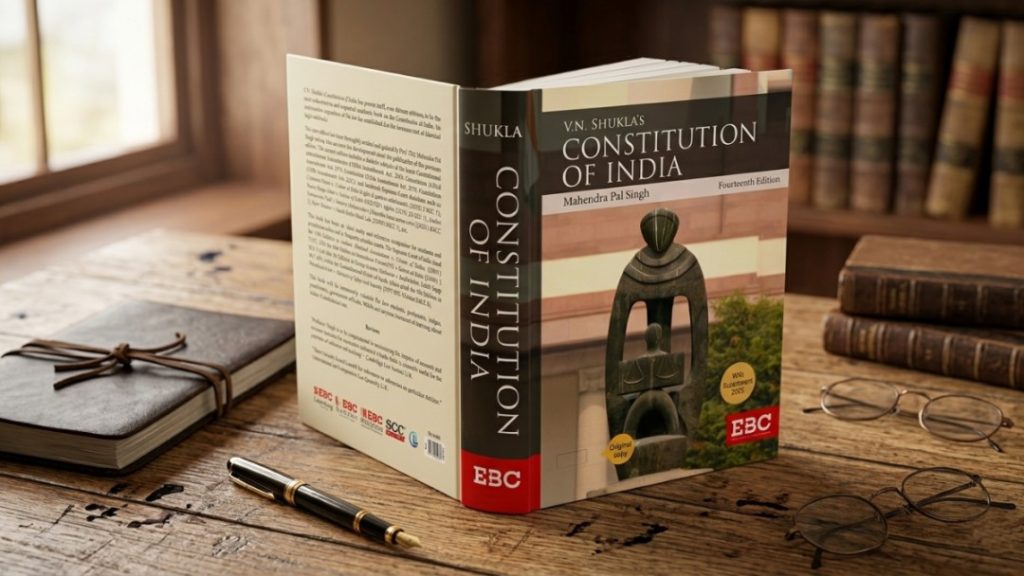
For those looking to explore the constitutional framework behind law-making in more depth, Introduction to the Constitution of India by D.D. Basu (28th Edition) is a valuable and widely trusted resource.