What is a District Court
District Courts are established by state governments for every district or sometimes for one or more districts together, depending on:
- Number of cases
- Population distribution
These courts are responsible for administering justice at the district level in India.
Role and Position of the District Court
- The District Court (Civil Court) is the principal court of original civil jurisdiction in a district.
- It is second only to the High Court of the State in terms of civil judicial authority.
- Its civil jurisdiction is derived mainly from the Code of Civil Procedure.
District Court as a Criminal Court (Sessions Court)
- When exercising criminal jurisdiction, the District Court functions as a Court of Sessions.
- This criminal jurisdiction is exercised under the Bharatiya Nagarik Suraksha Sanhita.
Who Presides Over the District Court?
- The court is headed by a District and Sessions Judge, who is the judicial head of the district.
- The District Judge is appointed by the Governor of the State in consultation with the Chief Justice of the High Court.
Additional and Assistant District Judges
- Depending on workload, a district may have:
- Additional District Judges
- Assistant District Judges
- These judges:
- Have jurisdiction equal to that of the District Judge
- Preside over courts with the same powers as the District Court
- However, the District Judge has supervisory control over them, including:
- Allocation of work
- Administrative supervision
Dual Role of the District Judge
- Called “District Judge” when handling civil cases
- Called “Sessions Judge” when handling criminal cases
- The District Judge is also the highest judicial authority at the district level.
Administrative Powers of the District Judge
- Has limited administrative control over the judiciary in the district
- Manages state funds allocated for development of the judiciary in the district
Metropolitan Sessions Judge
- When a district court is located in a city declared as a metropolitan area, the District Judge is called a Metropolitan Sessions Judge.
- Courts subordinate to the District Court in such areas are also prefixed with “Metropolitan” (for example, Metropolitan Magistrate).
What is a Metropolitan Area?
An area is declared a metropolitan area by the state government if:
- The population exceeds one million
Appointment and removal
Appointment of Judges in Subordinate Courts
- Judges of subordinate courts are appointed by the Governor of the State.
- The appointment is made in consultation with the Chief Justice of the High Court of the concerned state.
Direct Recruitment to the Post of District Judge (Higher Judicial Service)
A person can directly become a District Judge through direct recruitment, also known as Higher Judicial Service.
Minimum qualification:
- At least seven years of practice as an advocate at the Bar.
Selection process includes:
- Written examination
- Oral interview conducted by a committee of High Court judges
After selection:
- Appointment of District Judges is notified by the State Government.
Promotion from Judicial Service
- District Judges can also be appointed by promotion from the Civil Service (Judicial).
- Promotion is granted after completing the minimum required years of service in subordinate judiciary.
Further Promotion: From District Judge to High Court Judge
The next level of career advancement for a District Judge who has served for sufficient years is appointment as a High Court Judge.
High Court Judges are generally appointed from:
- Advocates practicing at the High Court Bar
- District Judges who have completed sufficient years of service
Removal of District Judges
- A District Judge or Additional District Judge may be removed from office by the Governor of the State.
- Such removal is done on confirmation from the High Court collegium.
Jurisdiction
A District Court exercises jurisdiction on both:
- Original side (hearing cases for the first time)
- Appellate side (hearing appeals)
This applies to both civil and criminal matters arising within the district.
Civil Jurisdiction of District Courts
- Territorial jurisdiction (area covered) and pecuniary jurisdiction (value of cases) in civil matters are determined by state enactments relating to civil courts.
- The District Court functions as the principal civil court of original jurisdiction in the district.
Criminal Jurisdiction of District Courts
- Criminal jurisdiction is derived exclusively from criminal procedure law.
- When exercising criminal jurisdiction, the District Court functions as a Sessions Court.
- The maximum sentence that a Sessions Judge of a District Court can award is capital punishment (death penalty).
Appellate Jurisdiction of District Courts
The District Court has appellate jurisdiction over all subordinate courts in the district, both in:
- Civil matters
- Criminal matters
Subordinate Civil Courts
- Junior Civil Judge Court
- Principal Junior Civil Judge Court
- Senior Civil Judge Court (also known as Sub-Court)
Subordinate Criminal Courts
- Second Class Judicial Magistrate Court
- First Class Judicial Magistrate Court
- Chief Judicial Magistrate Court
Exclusive Original Jurisdiction of District Courts
- Certain civil and criminal matters cannot be tried by courts lower than the District Court.
- For such matters, the District Court exercises original jurisdiction directly.
Appeal Structure
- Appeals from District Courts are generally filed before the High Courts of India of the concerned state.
- If a party is dissatisfied with the decision of the High Court, a further appeal may be filed before the Supreme Court of India under its appellate jurisdiction.
- In certain cases, the Supreme Court may grant special leave to appeal under Article 136 of the Constitution, allowing a direct appeal from a District Court decision.
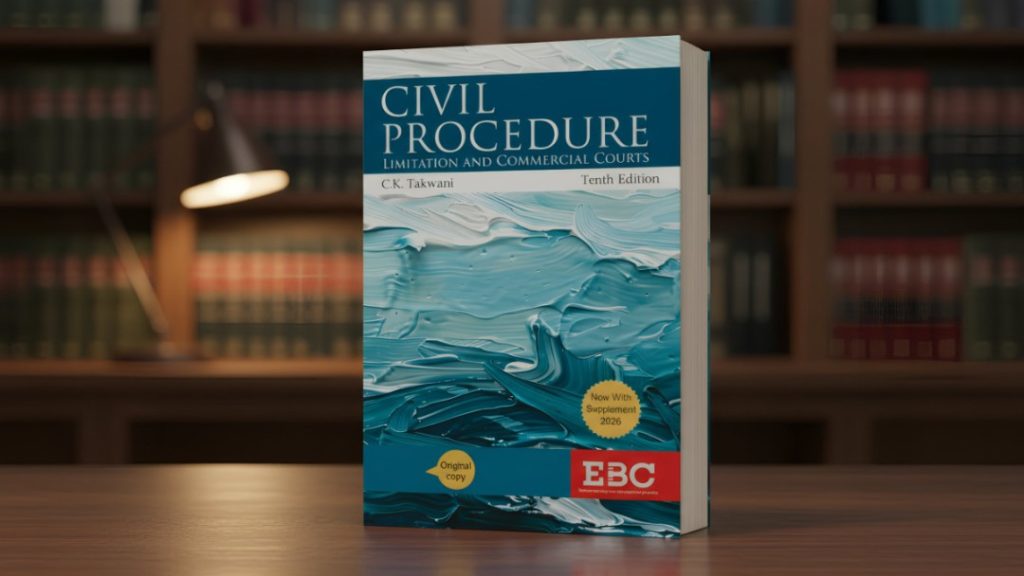
To know more about the procedure of the district court, you may check out this book.