The regulation of drugs in India is a critical aspect of public health governance. With rising concerns over drug safety, irrational combinations, and misuse of medicines, the government has taken strict steps to ban certain drugs and formulations. Understanding why drugs are banned, who regulates them, and how compliance works is essential for students, legal professionals, and those in the pharmaceutical industry.
What Are Banned Drugs?
Banned drugs are medicines that are prohibited by the government from being manufactured, sold, or distributed due to risks such as:
- Harmful side effects
- Lack of therapeutic value
- Unsafe drug combinations
- Misuse or overuse
These bans are usually imposed in the interest of public safety and health protection.
Legal Framework Governing Drug Bans in India
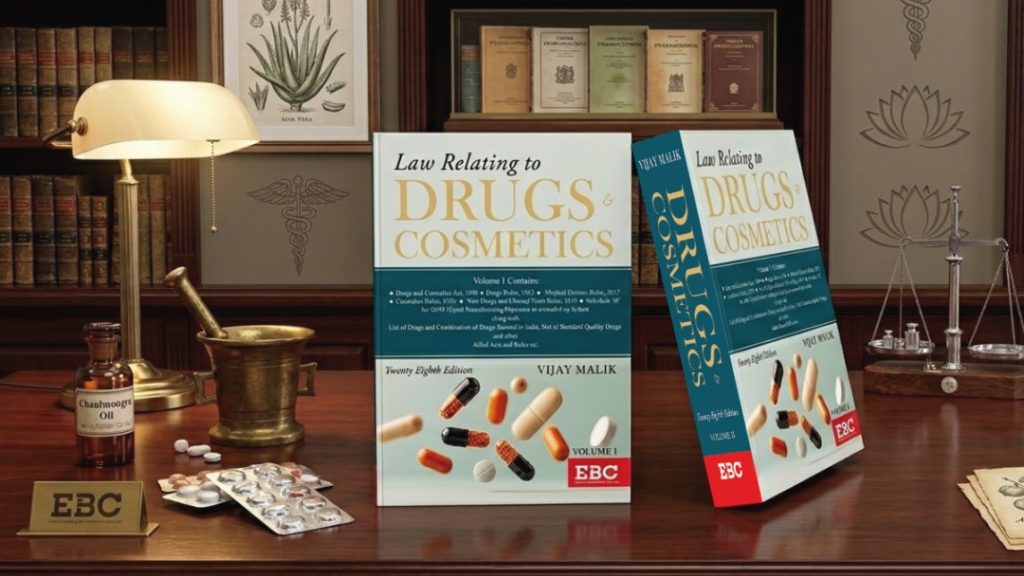
The primary law regulating drugs in India is the Drugs and Cosmetics Act, 1940 along with the Drugs Rules, 1945.
Key Authorities Involved:
- Central Government – Has the power to ban drugs
- Central Drugs Standard Control Organisation (CDSCO) – Main regulatory body
- State Drug Authorities – Enforce regulations locally
The government exercises its power under Section 26A of the Act to prohibit drugs that are considered unsafe or unnecessary.
Why Are Drugs Banned?
Drugs may be banned for several reasons:
1. Safety Concerns
If a drug poses serious health risks or adverse effects
2. Irrational Fixed Dose Combinations (FDCs)
Many bans target combinations of drugs that:
- Have no scientific justification
- Increase risk without added benefit
3. Lack of Efficacy
Drugs that do not provide the intended therapeutic effect
4. Global Regulatory Trends
Sometimes bans align with international standards
Examples of Banned Drugs in India
Over the years, India has banned several drugs and combinations, especially FDCs. Some notable categories include:
- Certain cough syrups with harmful combinations
- Painkiller combinations with unsafe ingredients
- Antibiotic combinations lacking approval
The government has banned hundreds of FDCs in phases (notably in 2016 and later updates).
Role of CDSCO
The Central Drugs Standard Control Organisation (CDSCO) plays a central role in:
- Evaluating drug safety
- Approving new drugs
- Recommending bans
- Issuing guidelines
It works with expert committees to assess whether a drug should remain in the market.
Compliance Requirements for Pharma Companies
Pharmaceutical companies must strictly follow regulations. Key compliance steps include:
1. Immediate Withdrawal
Stop manufacturing and selling banned drugs
2. Recall from Market
Remove existing stock from distribution channels
3. Regulatory Reporting
Inform authorities and maintain records
4. Licensing Compliance
Avoid cancellation or suspension of licenses
Non-compliance can lead to:
- Heavy penalties
- License cancellation
- Criminal liability
Judicial Perspective
Courts in India have played an important role in reviewing drug bans. In several cases:
- Pharma companies challenged bans
- Courts examined scientific evidence and procedural fairness
This shows the balance between:
- Public health protection
- Industry rights
Recent Trends and Developments
Increased Regulation
Stricter scrutiny of drug approvals and combinations
Focus on Evidence-Based Medicine
Greater emphasis on scientific validation
Global Alignment
India aligning with WHO and international standards
Crackdown on Misuse
Particular focus on antibiotics and cough syrups
To know more about this topic, you may refer to this resource.