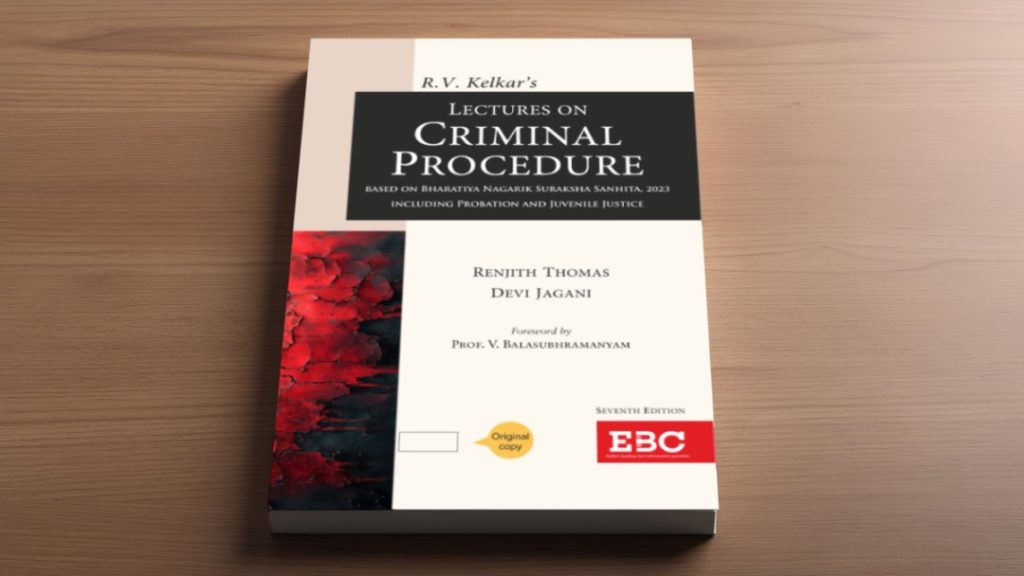
When a person is accused of a crime in India, one of the first questions asked is whether the offence is bailable or non-bailable. This classification decides if the person can be released on bail as a right or only with court permission. From 1 July 2024, bail and criminal procedure are governed by the Bharatiya Nagarik Suraksha Sanhita, 2023 (BNSS), which has replaced the old Criminal Procedure Code (CrPC). This article explains the meaning, features, and differences between bailable and non-bailable offences in India in a simple manner.
What Is a Bailable Offence?
A bailable offence is a crime where the accused person has a legal right to get bail. This means that once the person agrees to follow bail conditions, they must be released. The police or the court cannot refuse bail in such cases.
Important Points About Bailable Offences
- Bail is a legal right
- Police can grant bail at the police station
- Court must grant bail if conditions are met
- These offences are usually less serious
Examples of Bailable Offences
- Simple hurt
- Defamation
- Public nuisance
- Wrongful restraint
- Criminal trespass
What Is a Non-Bailable Offence?
A non-bailable offence is a crime where bail is not automatic. The accused must ask the court for bail, and the court decides whether to grant it. The police cannot release the accused on their own in these cases.
Important Points About Non-Bailable Offences
- Bail is not a right
- Only courts can grant bail
- Offences are more serious
- Punishment is usually severe
Examples of Non-Bailable Offences
- Murder
- Rape
- Kidnapping
- Dowry death
- Attempt to murder
Difference Between Bailable and Non-Bailable Offences
| Point of Difference | Bailable Offence | Non-Bailable Offence |
| Right to bail | Yes | No |
| Who can grant bail | Police or Court | Court only |
| Seriousness | Less serious | Serious |
| Court discretion | Very limited | Wide discretion |
| Chance of jail before trial | Low | Higher |
Which Law Controls Bail in India Now?
Bail is governed by the Bharatiya Nagarik Suraksha Sanhita, 2023 (BNSS).
Important sections:
- Section 478 – Bail in bailable offences
- Section 479 – Bail in non-bailable offences
- Section 480 – Powers of High Court and Sessions Court
- Section 482 – Anticipatory bail (pre-arrest bail)
When Can Court Refuse Bail in Non-Bailable Offences?
Courts may refuse bail if:
- Accused may run away
- Accused may destroy evidence
- Accused may threaten witnesses
- Crime is very serious
- Accused has past criminal record
Can Bail Be Granted in Non-Bailable Offences?
Yes. Non-bailable does not mean no bail. It only means bail depends on the court’s decision.
Courts look at:
- Nature of crime
- Role of accused
- Stage of investigation
- Chances of misuse of freedom
What Is Anticipatory Bail?
Anticipatory bail is bail before arrest. A person who fears arrest in a non-bailable offence can apply for it under Section 482 BNSS.
If granted, police cannot arrest the person as long as bail conditions are followed.
Why Is This Classification Important?
Knowing whether an offence is bailable or non-bailable helps people:
- Understand their rights
- Avoid illegal detention
- Take quick legal action
- Approach the correct court
Frequently Asked Questions (FAQs)
1. Is bail compulsory in bailable offences?
Yes. Once conditions are fulfilled, bail must be granted.
2. Can police deny bail in bailable offences?
No. Denial is illegal.
3. Does non-bailable mean bail will never be granted?
No. Courts may still grant bail.
4. What law governs bail in India today?
Bharatiya Nagarik Suraksha Sanhita, 2023.
5. Is anticipatory bail still available?
Yes, under Section 482 BNSS.
6. Can women and elderly persons get easier bail?
Courts may take age, health, and gender into consideration.
7. Where can I check if an offence is bailable?
In the First Schedule of BNSS or by consulting a lawyer.
To gain more knowledge on this topic, you may check out this resource.