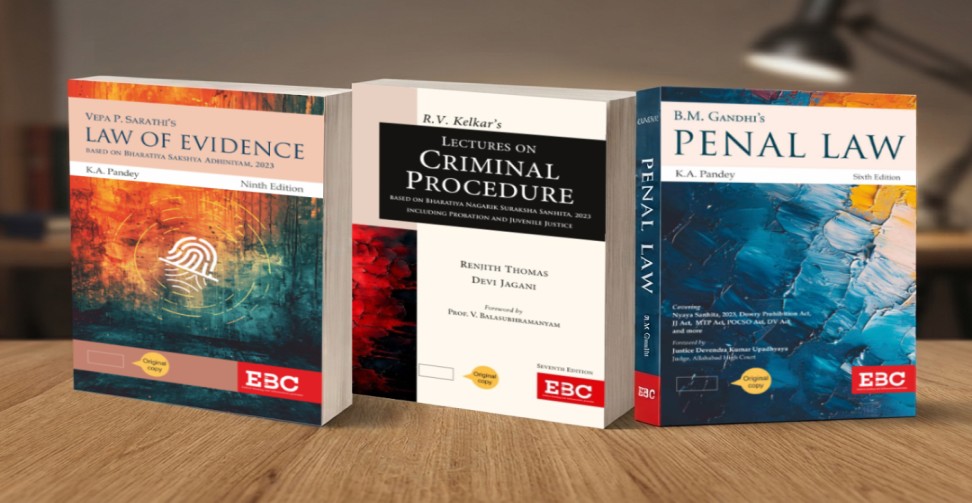
Understanding India new criminal laws is essential for legal professionals, students, and citizens following the overhaul of the nation’s legal framework. Effective July 1, 2024, three major enactments replaced the colonial-era criminal statutes. The Bharatiya Nyaya Sanhita (BNS) replaced the Indian Penal Code (IPC), the Bharatiya Nagarik Suraksha Sanhita (BNSS) superseded the Code of Criminal Procedure (CrPC), and the Bharatiya Sakshya Adhiniyam (BSA) replaced the Indian Evidence Act.
This comprehensive guide breaks down the statutory provisions, procedural shifts, and structural changes introduced by these updated statutes.
Core Provisions of India New Criminal Laws
1. Bharatiya Nyaya Sanhita, 2023 (Substantive Law)
The BNS consolidates definitions of offenses and their corresponding penalties.
- Organized Crime and Terrorism: Section 111 of BNS explicitly defines organized crime, covering syndicates, trafficking, and land grabbing. Section 113 penalizes terrorist acts with severe sentences.
- Community Service: Section 4(f) introduces community service as a non-custodial punishment for minor offenses such as petty theft or public misconduct.
- Offenses Against Women and Children: Chapter V consolidates gender-based offenses, establishing strict penalties for gang rape and non-consensual sexual acts under false promises of marriage (Section 69).
2. Bharatiya Nagarik Suraksha Sanhita, 2023 (Procedural Law)
The BNSS dictates how investigations, arrests, bail hearings, and trials proceed.
- Zero FIR and Electronic Complaints: Section 173 enables citizens to file a Zero FIR at any police station, regardless of territorial jurisdiction. It also formalizes e-FIR filings.
- Mandatory Forensic Evidence: Section 176(3) mandates forensic collection for offenses punishable by imprisonment of seven years or more.
- Timelines for Justice: Section 230 requires police to deliver charge sheet copies within 14 days, while Section 258 mandates judgments within 30 days of trial conclusion (extendable to 45 days).
3. Bharatiya Sakshya Adhiniyam, 2023 (Law of Evidence)
The BSA updates rules regarding admissibility and handling of evidence.
- Electronic and Digital Records: Section 61 equates electronic or digital records with primary documentary evidence, covering emails, server logs, smartphone messages, and location data.
- Secondary Evidence Standards: Section 58 broadens the scope of secondary evidence to include oral accounts and certified copies when primary records are unavailable.
Comparative Analysis: Old Statutes vs. New Statutes
| Legal Aspect | Colonial-Era Statute | India New Criminal Laws |
| Substantive Offenses | Indian Penal Code, 1860 (511 sections) | BNS, 2023 (358 sections; streamlined structure) |
| Procedural Timelines | CrPC, 1973 (Unregulated trial delays) | BNSS, 2023 (Strict timelines for judgments and charge sheets) |
| Minor Offenses | Fines or imprisonment | Introduces community service as punishment |
| Digital Evidence | Admissible subject to strict Section 65B certificates | BSA, 2023 treats electronic records as primary evidence |
| FIR Registration | Restricted by police station jurisdiction | Zero FIR permitted anywhere under Section 173 BNSS |
Rights, Obligations, and Legal Remedies
- Rights of Accused Persons: Under Section 35 of BNSS, police must obtain prior permission from a Deputy Superintendent of Police before arresting individuals aged over 60 or those facing charges carrying less than three years of imprisonment.
- Rights of Victims: Victims gain the right to receive regular updates on investigation progress within 90 days under Section 193 of BNSS.
- Obligations of Law Enforcement: Police must audio-video record search and seizure operations, including the preparation of inventory lists under Section 105 of BNSS.
Frequently Asked Questions (FAQs)
Crimes committed prior to July 1, 2024, continue to be investigated, prosecuted, and tried under the legacy IPC, CrPC, and Indian Evidence Act.
Yes. Section 173 of BNSS explicitly allows a citizen to register a Zero FIR at any police station, which must then be transferred to the jurisdictional station.
Community service is a form of unpaid work for public benefit ordered by a court as a penalty for specified minor offenses, offering an alternative to incarceration.
Under Section 61 of BSA, digital messages, device logs, and emails are treated as primary documentary evidence, provided their integrity and source can be verified.
Courts must pronounce judgments within 30 days after arguments conclude. This period may be extended to a maximum of 45 days under special circumstances.