Pharma advertising laws in India exist for a simple reason: a misleading claim about a medicine does not just cost a customer money, it can cost a life. Whether it is a television commercial for a cough syrup, a WhatsApp forward about a “miracle” diabetes cure, or an Instagram post by an influencer promoting a supplement, Indian law places strict limits on what drug manufacturers can say. This article breaks down the statutory framework, what is permitted, what is prohibited, the penalties involved, and recent regulatory developments, all explained in plain language.
Why Pharma Advertising Is Regulated So Strictly
Unlike ordinary consumer goods, medicines directly affect health outcomes. A false claim can delay proper treatment, encourage self-medication, or cause direct physical harm. Indian law therefore treats drug advertising as a matter of public health, not just fair trade practice. Several statutes operate together, each covering a different angle: safety of the claim, honesty of the claim, and consumer protection if the claim turns out to be false.
Key Laws Governing Pharma Advertising in India
1. The Drugs and Magic Remedies (Objectionable Advertisements) Act, 1954 (DMR Act)
This is the oldest and most specific law on drug advertising. It bans advertisements claiming that a drug can cure, diagnose, or prevent diseases listed in its schedule (originally 54 conditions, including cancer, diabetes, heart disease, and sexual disorders). It also outright prohibits advertising “magic remedies,” meaning talismans, mantras, or amulets claimed to cure disease. Violation is a cognisable offence, meaning police can arrest without a warrant. Under Section 7, a first conviction can bring imprisonment of up to six months, a fine, or both; a repeat conviction can bring imprisonment of up to one year. A 2020 draft amendment proposes expanding the list of covered conditions and sharply raising penalties (up to two years’ imprisonment and a Rs 10 lakh fine for a first offence, and up to five years and Rs 50 lakh for repeat offences), though this remains a proposal and has not yet been notified as law, so readers should verify its current status before relying on it.
2. The Drugs and Cosmetics Act, 1940, and Drugs and Cosmetics Rules, 1945
This is the primary law governing manufacture, sale, and labelling of drugs. Rule 106, read with Schedule J, lists diseases and conditions for which a drug’s label or advertisement cannot claim a cure, overlapping significantly with the DMR Act’s schedule. This Act also requires that any therapeutic claim be backed by approval from the Central Drugs Standard Control Organisation (CDSCO), the national drug regulator. Marketing an unapproved use (called “off-label promotion”) can trigger regulatory action, including suspension of the manufacturing licence.
3. The Consumer Protection Act, 2019
This Act protects consumers generally, and its provisions on misleading advertisements apply squarely to pharma marketing. Section 2(28) defines a “misleading advertisement” as one that falsely describes a product, gives a false guarantee, or conceals material facts. Section 21 empowers the Central Consumer Protection Authority (CCPA), a dedicated regulator created under this Act, to order an advertisement discontinued, impose a penalty of up to Rs 10 lakh on the manufacturer, endorser, or publisher for a first violation, and up to Rs 50 lakh for repeat violations. The CCPA can also bar an endorser (including celebrities) from promoting that product for a period. In 2022, the CCPA notified specific Guidelines for Prevention of Misleading Advertisements, requiring claims to be substantiated with credible evidence.
4. Advertising Standards Council of India (ASCI) Code
ASCI is a self-regulatory industry body, not a statutory authority, but its code is widely referenced by regulators and is binding on member broadcasters and platforms. It requires health and drug claims to be backed by scientific evidence and prohibits ads that exploit fear or create unrealistic expectations of cure.
What Drug Manufacturers Can Claim
- Claims consistent with the approved product label and CDSCO-sanctioned indications
- Truthful, substantiated statements about a drug’s approved use, dosage, and side effects
- Comparative claims, if factually accurate and not disparaging without basis
- General wellness or symptomatic relief claims for non-scheduled, over-the-counter conditions
What Drug Manufacturers Cannot Claim
- A cure or prevention for any disease listed in the DMR Act schedule or Schedule J of the Drugs and Cosmetics Rules
- Any claim of “magic” or miraculous effect, including talismans or unscientific remedies
- Claims for unapproved or off-label uses of an approved drug
- Advertisements aimed directly at the general public for prescription-only drugs (these may only be promoted to registered medical practitioners)
- Testimonials or endorsements that exaggerate efficacy without supporting evidence
How a Misleading Pharma Ad Typically Gets Actioned
- Ad is published on TV, print, digital, or social media
- Complaint or suo motu action by ASCI, CCPA, CDSCO, or a state drug authority
- Scrutiny of the claim against the product’s approved label and applicable schedules
- Order issued, which may direct withdrawal, modification, or corrective advertising
- Penalty and/or prosecution, depending on which law is invoked and the severity of the violation
Comparison of Key Statutes
| Law | Regulator | Core Focus | Maximum Penalty (current) |
|---|---|---|---|
| Drugs and Magic Remedies Act, 1954 | State drug authorities, police | Bans cure claims for scheduled diseases and “magic” remedies | Up to 1 year imprisonment (repeat offence) |
| Drugs and Cosmetics Act, 1940 | CDSCO, State Licensing Authorities | Approval and labelling of therapeutic claims | Licence suspension or cancellation; imprisonment under the Act |
| Consumer Protection Act, 2019 | Central Consumer Protection Authority (CCPA) | General misleading advertisement, including pharma | Rs 50 lakh fine (repeat offence) plus endorsement ban |
| ASCI Code | ASCI (self-regulatory) | Voluntary but widely enforced ethical advertising standards | Ad withdrawal recommendation; no direct legal penalty |
Recent Developments
The 2020 draft amendment to the DMR Act, which proposes tougher penalties and a longer list of covered conditions, is still pending final notification. Meanwhile, the CCPA’s 2022 Guidelines have become an active enforcement tool, with several public actions against misleading health and wellness advertisements in recent years, including coaching and health product claims. Given how quickly digital advertising rules evolve in this space, manufacturers and their agencies should check for the latest CDSCO circulars and CCPA orders before finalising any campaign.
Frequently Asked Questions
Generally, no. Prescription-only drugs may only be promoted to registered medical practitioners, not through direct-to-consumer advertising.
Any talisman, mantra, amulet, or similar object or practice claimed to cure, diagnose, or prevent disease, as defined under the DMR Act.
Yes, both diseases appear on the DMR Act schedule, so any advertisement claiming to cure or prevent them through a drug or remedy is prohibited.
Enforcement is shared between state drug control authorities and police (under the DMR Act and Drugs and Cosmetics Act), the CCPA (under the Consumer Protection Act), and ASCI (through self-regulation).
Yes, the CCPA can penalise endorsers directly and bar them from further endorsements of that product for a specified period.
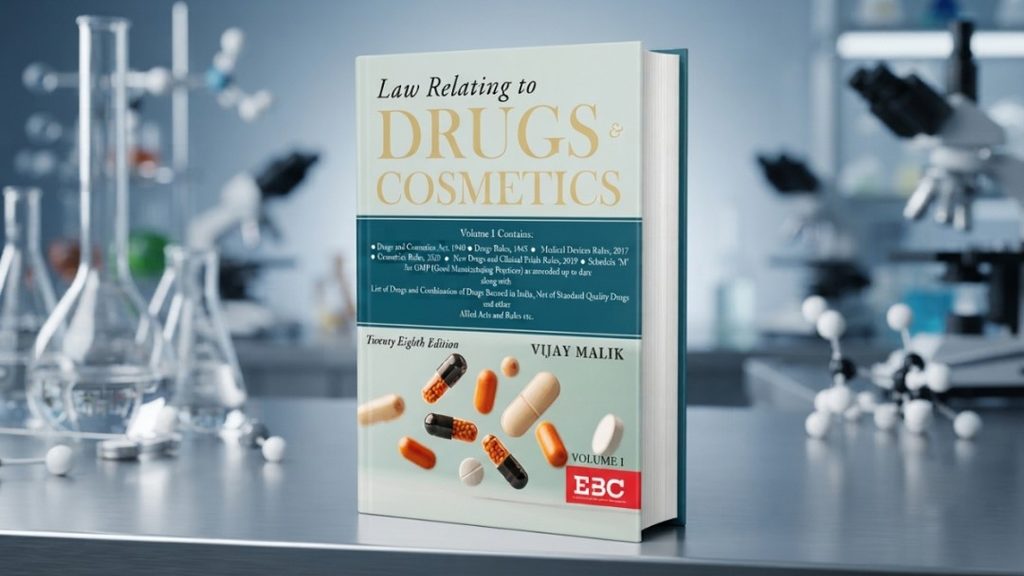
Want the deeper dive? Grab the reference book.