


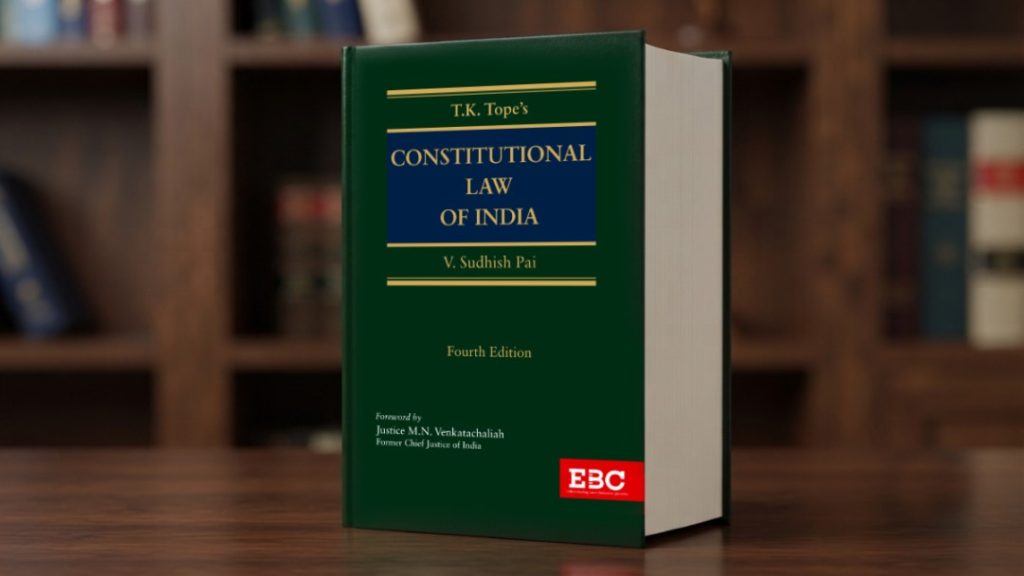
Understanding the fundamental rights and duties of Indian citizens is essential for every person living in India, not just law students or lawyers. These rights protect individual freedom against arbitrary state action, while the duties remind citizens of their responsibilities toward the nation and each other. Both are enshrined in the Constitution of India, and together they form the backbone of the relationship between the citizen and the state. This article explains what these rights and duties are, where they come from, and how they work in practice.
What Are Fundamental Rights?
Fundamental rights are basic human rights guaranteed to all citizens, and in some cases to all persons, by the Constitution of India. They are called “fundamental” because they are considered essential for a person’s dignity and development, and because they are enforceable directly in a court of law. If the state violates a fundamental right, a citizen can approach the Supreme Court under Article 32 or a High Court under Article 226 to seek enforcement.
These rights are contained in Part III of the Constitution, covering Articles 12 to 35.
The Six Categories of Fundamental Rights
- Right to Equality (Articles 14 to 18) Guarantees equality before the law, prohibits discrimination on grounds of religion, race, caste, sex, or place of birth, and abolishes titles.
- Right to Freedom (Articles 19 to 22) Covers freedom of speech and expression, assembly, association, movement, residence, and profession, along with protection in respect of conviction for offences and protection of life and personal liberty.
- Right against Exploitation (Articles 23 and 24) Prohibits trafficking in human beings, forced labor, and employment of children below fourteen years in hazardous occupations.
- Right to Freedom of Religion (Articles 25 to 28) Guarantees freedom of conscience and the right to freely profess, practice, and propagate religion, along with freedom to manage religious affairs.
- Cultural and Educational Rights (Articles 29 and 30) Protects the interests of minorities by allowing them to conserve their language, script, and culture, and to establish and administer educational institutions of their choice.
- Right to Constitutional Remedies (Article 32) Allows citizens to directly approach the Supreme Court for enforcement of fundamental rights, making this often described as the heart and soul of the Constitution.
It is worth noting that the original Constitution also included the Right to Property as a fundamental right under Article 31, but the 44th Constitutional Amendment Act, 1978 removed it from Part III and made it a legal right under Article 300A instead.
What Are Fundamental Duties?
Unlike fundamental rights, fundamental duties were not part of the original Constitution. They were added later through the 42nd Constitutional Amendment Act, 1976, based on the recommendations of the Swaran Singh Committee. These duties are contained in Article 51A, under Part IVA of the Constitution.
Fundamental duties are moral obligations for citizens, and unlike fundamental rights, they are generally not directly enforceable in a court of law by themselves. However, courts and legislatures sometimes refer to them while interpreting laws or assessing the reasonableness of restrictions on rights.
Key Fundamental Duties Under Article 51A
- To abide by the Constitution and respect its ideals and institutions.
- To cherish and follow the noble ideals that inspired the national struggle for freedom.
- To uphold and protect the sovereignty, unity, and integrity of India.
- To defend the country and render national service when called upon.
- To promote harmony and the spirit of common brotherhood among all citizens.
- To preserve the rich heritage of the composite culture of India.
- To protect and improve the natural environment, including forests, lakes, rivers, and wildlife.
- To develop scientific temper, humanism, and the spirit of inquiry and reform.
- To safeguard public property and abjure violence.
- To strive toward excellence in all spheres of individual and collective activity.
- To provide opportunities for education to children between the ages of six and fourteen years, a duty added later through the 86th Constitutional Amendment Act, 2002.
Rights vs Duties: A Quick Comparison
| Aspect | Fundamental Rights | Fundamental Duties |
|---|---|---|
| Constitutional Part | Part III | Part IVA |
| Articles Covered | 12 to 35 | 51A |
| Added By | Original Constitution (1950) | 42nd Amendment, 1976 |
| Enforceability | Directly enforceable in courts | Generally not directly enforceable |
| Nature | Legal entitlements against the state | Moral and civic obligations |
| Remedy for Violation | Writ petition under Article 32 or 226 | No direct judicial remedy |
How Fundamental Rights Are Enforced
Violation of Fundamental Right
        |
        v
Citizen Approaches Court
        |
   ┌────┴─────┐
   v          v
Supreme Court   High Court
(Article 32)    (Article 226)
        |
        v
Writ Issued: Habeas Corpus, Mandamus,
Prohibition, Certiorari, or Quo Warranto
        |
        v
Right Restored or Remedy Granted
Frequently Asked Questions
Fundamental rights are legally enforceable entitlements guaranteed to citizens under Part III of the Constitution, while fundamental duties under Part IVA are moral obligations that are generally not directly enforceable in court.
There are six categories of fundamental rights after the Right to Property was removed by the 44th Amendment: equality, freedom, right against exploitation, freedom of religion, cultural and educational rights, and constitutional remedies.
There are eleven fundamental duties listed under Article 51A, including the duty related to providing education to children, which was added later.
Generally, fundamental duties are not directly enforceable, but specific laws made by Parliament may impose obligations or penalties connected to certain duties, such as environmental protection.
Article 32 allows citizens to directly approach the Supreme Court for enforcement of fundamental rights.
Want the deeper dive? Grab the reference book.



Everything To Know About Constitutional Law in India
[…] Classification of Fundamental Rights in […]
Article 32 vs Article 226: Writ Jurisdiction Compared
[…] for enforcement of both fundamental rights and other legal […]
Legal Rights and Duties in Jurisprudence Explained
[…] What Are Legal Rights and Duties […]