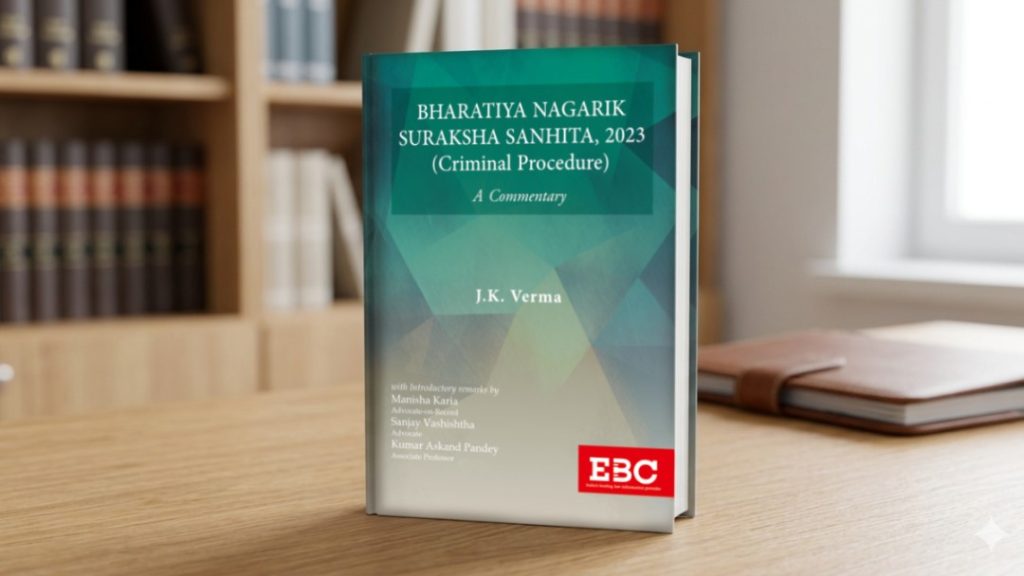
Struggling to Navigate the Bharatiya Nagarik Suraksha Sanhita, 2023?
If you’re a law student, judiciary aspirant, or young legal professional, you’ve probably realized that the Bharatiya Nagarik Suraksha Sanhita, 2023 (BNSS) is not simply the old CrPC with a new name. The new criminal procedure framework introduces revised section numbers, procedural reforms, greater use of technology, and new compliance requirements.
With hundreds of sections to study, it can be difficult to know where to begin. The good news is that not every provision carries the same practical importance. This guide identifies the most important BNSS sections that every law student should understand in 2026 and explains why they matter.
Quick Answer: Which BNSS Sections Matter Most?
The most important BNSS sections are those dealing with definitions, arrest, FIRs, investigation, forensic examination, charge sheets, bail, trial procedures, judgments, and appeals. These provisions form the foundation of criminal procedure and are frequently tested in examinations and encountered in legal practice.
A strong understanding of these sections will help you grasp how a criminal case progresses from complaint to final judgment.
The 20 BNSS Sections You Should Prioritize
A. Foundational Provisions
1. Section 2 – Definitions
The starting point for understanding key procedural terms used throughout the BNSS.
2. Section 14 – Executive Magistrates
Explains the appointment and powers of Executive Magistrates.
3. Section 15 – Special Executive Magistrates
Provides for the appointment of Special Executive Magistrates where necessary.
B. Arrest and Rights of the Accused
4. Section 35 – Arrest Without Warrant
One of the most important provisions governing police powers of arrest.
5. Section 38 – Grounds of Arrest
Protects the right of arrested persons to know the reasons for their arrest.
6. Section 51 – Medical Examination of Accused
Important for investigations involving bodily evidence.
C. FIRs and Investigation
7. Section 173 – Information in Cognizable Cases
The foundation of FIR registration, including electronic reporting mechanisms.
8. Section 174 – Information in Non-Cognizable Cases
Explains the procedure where police require authorization before investigating.
9. Section 175 – Powers of Police to Investigate
Provides the framework for criminal investigations.
10. Section 176 – Preliminary Inquiry and Investigation
Important in determining whether further investigation is warranted.
11. Section 193 – Statements and Confessions
Deals with recording statements before a Magistrate.
D. Technology and Forensic Reforms
12. Section 176(3) – Forensic Investigation
One of the most discussed reforms under BNSS, emphasizing forensic examination in serious offences.
13. Section 530 – Electronic Communication and Processes
Reflects the BNSS’s shift toward digital criminal procedure.
E. Trial Procedures
14. Section 230 – Supply of Police Report and Documents
Ensures procedural fairness before trial.
15. Section 251 – Opening of Prosecution Case
Marks the beginning of trial proceedings before the court.
16. Section 258 – Framing of Charge
A critical stage determining the issues to be tried.
17. Section 263 – Discharge of Accused
Allows courts to discharge an accused where grounds are insufficient.
F. Judgments and Special Procedures
18. Section 346 – Judgment
Sets out the requirements relating to criminal judgments.
19. Section 356 – Trial in Absentia
One of the notable procedural innovations under the BNSS.
G. Bail and Personal Liberty
20. Sections 478–482 – Bail Framework
Law students should study these provisions together as they govern:
- Bailable offences
- Non-bailable offences
- Anticipatory bail
- Undertrial detention safeguards
Why These Sections Matter
These provisions collectively explain the lifecycle of a criminal case:
Complaint → FIR → Investigation → Arrest → Bail → Trial → Judgment
Understanding this procedural flow helps students connect individual sections with real-world criminal litigation rather than memorizing provisions in isolation.
What Law Students Should Do Next
1. Read the Bare Act
Begin with the statutory text before consulting commentaries.
2. Compare BNSS with CrPC
Create a section-mapping chart to understand procedural continuity and reform.
3. Focus on Procedure
Study how a criminal case moves through the justice system.
4. Make Short Notes
Prepare one-page summaries for frequently tested provisions.
5. Revise Through Practical Scenarios
Apply sections to hypothetical situations to strengthen retention.
For further reading and detailed analysis, refer to this resource.