A dying declaration is one of the most important exceptions to the rule against hearsay evidence under Indian evidence law.
Ordinarily, hearsay evidence is not admissible in court because the person making the statement is not available for cross-examination. However, the law makes an exception when a person makes a statement about the cause of their death or the circumstances leading to it.
The principle behind dying declaration is based on the legal maxim:
“A person on the verge of death is unlikely to lie.”
In India, dying declarations play a crucial role in criminal trials, especially in cases involving:
- murder,
- dowry death,
- burn injuries,
- domestic violence,
- and custodial violence.
Understanding the concept of dying declaration is essential for law students, judiciary aspirants, and criminal law learners.
Meaning of Dying Declaration
A dying declaration is a statement made by a person regarding:
- the cause of their death,
or - the circumstances resulting in their death,
when the cause of that person’s death comes into question in a legal proceeding.
It is admissible as evidence even though it is technically hearsay.
Provision Related to Dying Declaration
The concept of dying declaration is provided under:
- Section 32(1) of the Indian Evidence Act, 1872
Under the new criminal law framework, it is covered under:
- Bharatiya Sakshya Adhiniyam, 2023
Section 32 creates exceptions to the hearsay rule.
Why is Dying Declaration Admissible?
Normally, hearsay evidence is excluded because:
- the maker of the statement is unavailable for cross-examination,
- and the statement may not be reliable.
However, dying declaration is admissible because the law assumes that:
- a person facing imminent death is unlikely to make false statements.
This principle is often summarized as:
“Truth sits upon the lips of a dying person.”
Essentials of a Valid Dying Declaration
For a dying declaration to be reliable and admissible, certain essential conditions are generally considered by courts.
1. Statement Must Relate to Cause of Death
The statement must explain:
- how the injury occurred,
- who caused it,
- or the circumstances leading to death.
Statements unrelated to death are not admissible under this provision.
2. Declarant Must Be Dead
The person making the statement must subsequently die.
If the person survives, the statement is not treated as a dying declaration.
3. Mental Fitness of the Declarant
The person making the statement should be:
- conscious,
- mentally fit,
- and capable of understanding the questions.
Courts often prefer medical certification regarding fitness.
4. Voluntary and Truthful Statement
The declaration must not result from:
- tutoring,
- coercion,
- pressure,
- or imagination.
Courts examine whether the statement appears natural and voluntary.
5. No Particular Format Required
A dying declaration may be:
- oral,
- written,
- gestures,
- signs,
- or even nods in certain circumstances.
There is no strict legal format.
Who Can Record a Dying Declaration?
Ideally, a Judicial Magistrate records the dying declaration.
However, it may also be recorded by:
- doctors,
- police officers,
- or other persons,
if circumstances require immediate action.
Courts generally prefer declarations recorded by Magistrates because they are considered more reliable.
Is Oath Necessary for Dying Declaration?
No.
A dying declaration is admissible even without oath because the declarant is usually in a critical condition
Types of Dying Declaration
1. Written Dying Declaration
Recorded in writing by a Magistrate, doctor, or other authority.
2. Oral Dying Declaration
Made verbally before witnesses.
Courts generally scrutinize oral declarations more carefully.
3. Dying Declaration through Signs or Gestures
Accepted where the victim cannot speak but can communicate through gestures or nods.
Frequently Asked Questions (FAQs)
A dying declaration is a statement made by a person regarding the cause or circumstances of their death when the cause of death becomes relevant in a case.
Dying declaration is covered under Section 32(1) of the Indian Evidence Act, 1872.
Yes. It is one of the important exceptions to the rule against hearsay evidence.
Yes. A reliable and voluntary dying declaration can alone form the basis of conviction.
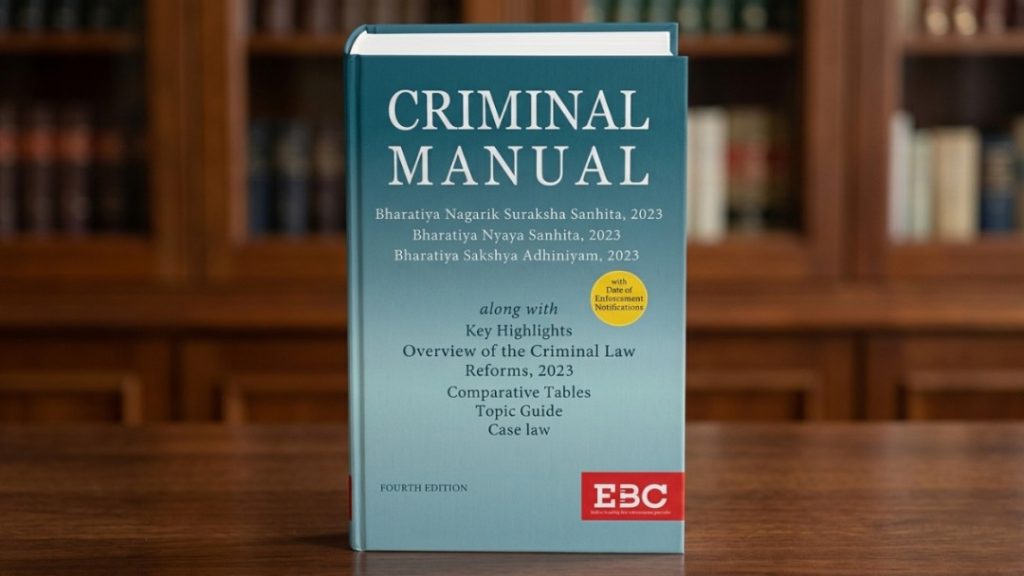
For a deeper understanding, you can refer to this resource.