


Advertisements play a major role in influencing consumer decisions. From television commercials and newspaper ads to influencer promotions and social media marketing, advertisements shape how people buy products and services. However, not all advertisements are honest or accurate. Many businesses use exaggerated claims, false promises, hidden conditions, or deceptive marketing practices to attract consumers.
Misleading advertisements have become a serious consumer protection issue in India, especially in sectors such as health products, cosmetics, food supplements, online shopping, financial services, and education platforms. To protect consumers from unfair trade practices, India has introduced legal and regulatory mechanisms including the Consumer Protection Act, 2019 and the role of the Advertising Standards Council of India (ASCI).
This article explains misleading advertisements in India, their impact on consumers, and the role played by ASCI and the Consumer Protection Act, 2019 in regulating deceptive advertising practices.
What is a Misleading Advertisement?
A misleading advertisement is an advertisement that:
- gives false information,
- hides important facts,
- makes exaggerated claims,
- or creates a false impression about a product or service.
Such advertisements may deceive consumers into purchasing products they otherwise would not have bought.
Example:
- claiming a health drink can “increase height in 7 days,”
- advertising unrealistic weight-loss results,
- or promoting fake discounts during online sales.
These advertisements can mislead consumers and cause financial loss, health risks, or unfair expectations.
Why Misleading Advertisements are a Problem
Misleading advertisements negatively affect consumers because they:
- distort consumer choice,
- create false expectations,
- encourage unfair business practices,
- and reduce trust in the market.
Consumers often rely on advertisements while making purchasing decisions. False advertising can therefore directly influence consumer behaviour and harm public interest.
Common Types of Misleading Advertisements
1. False Claims
Advertisements making claims that cannot be scientifically or legally proven.
Example:
“Guaranteed cure for diabetes.”
2. Hidden Conditions
Advertisements showing offers without clearly disclosing terms and conditions.
Example:
“Buy one get one free” with undisclosed restrictions.
3. Exaggerated Performance Claims
Overstating the quality or effectiveness of a product.
Example:
“100% instant fairness.”
4. Fake Endorsements
Using fabricated testimonials or misleading influencer promotions.
5. Bait Advertisements
Advertising products at very low prices to attract customers without actual availability.
Role of ASCI in Regulating Advertisements
The Advertising Standards Council of India (ASCI) is a self-regulatory organisation established to promote ethical advertising practices in India.
Although ASCI is not a government body, it plays an important role in monitoring advertisements and protecting consumer interests.
Objectives of ASCI
ASCI aims to ensure that advertisements:
- are truthful and honest,
- do not mislead consumers,
- are socially responsible,
- and maintain fairness in competition.
ASCI Code for Advertisements
ASCI has developed guidelines and ethical standards for advertisements. According to these guidelines, advertisements should:
- avoid false claims,
- not exploit consumer trust,
- not encourage unsafe practices,
- and clearly disclose important information.
ASCI also monitors digital advertisements and influencer marketing content.
Complaint Mechanism Under ASCI
Consumers can file complaints against misleading advertisements through ASCI’s online complaint system.
ASCI reviews complaints and may recommend:
- modification of advertisements,
- withdrawal of misleading claims,
- or discontinuation of advertisements.
Many companies voluntarily comply with ASCI recommendations to maintain brand reputation.
Consumer Protection Act, 2019 and Misleading Advertisements
The Consumer Protection Act, 2019 strengthened consumer rights in India and introduced stricter provisions against misleading advertisements.
The Act recognises misleading advertisements as an unfair trade practice and provides remedies for affected consumers.
Central Consumer Protection Authority (CCPA)
One of the major developments under the Consumer Protection Act, 2019 is the establishment of the Central Consumer Protection Authority (CCPA).
The CCPA has the power to:
- investigate misleading advertisements,
- order discontinuation of false advertisements,
- impose penalties,
- and protect consumer rights.
Penalties for Misleading Advertisements
Under the Consumer Protection Act, 2019:
- manufacturers,
- advertisers,
- endorsers,
- and publishers
may face penalties for misleading advertisements.
The authority may impose:
- monetary fines,
- prohibition on endorsements,
- and directions for corrective advertisements.
This has increased accountability in advertising practices.
Frequently Asked Questions (FAQs)
A misleading advertisement is an advertisement that gives false information, hides important facts, or creates a false impression about a product or service.
ASCI regulates advertisements through self-regulation and ensures that advertisements are truthful, fair, and socially responsible.
The Central Consumer Protection Authority (CCPA) is a regulatory body established under the Consumer Protection Act, 2019 to protect consumer interests and investigate misleading advertisements.
Yes. Under the Consumer Protection Act, celebrity endorsers and influencers may face penalties if they promote misleading products without proper verification.
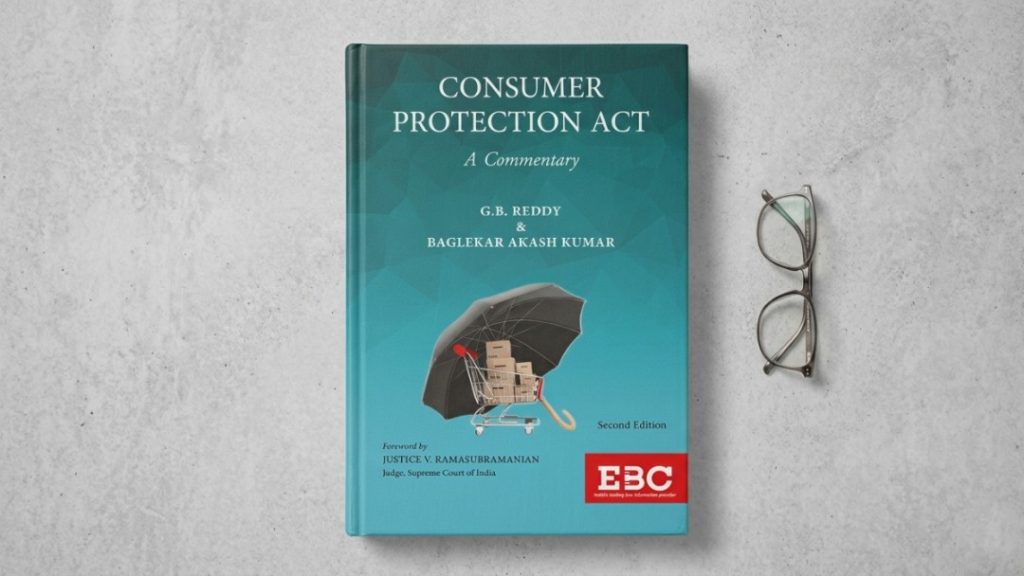
For further reading and detailed analysis, refer to this resource.



Pharma Advertising Laws in India: What Drug Manufacturers Can and Cannot Claim - Blog - EBC Webstore
[…] 3. The Consumer Protection Act, 2019 […]