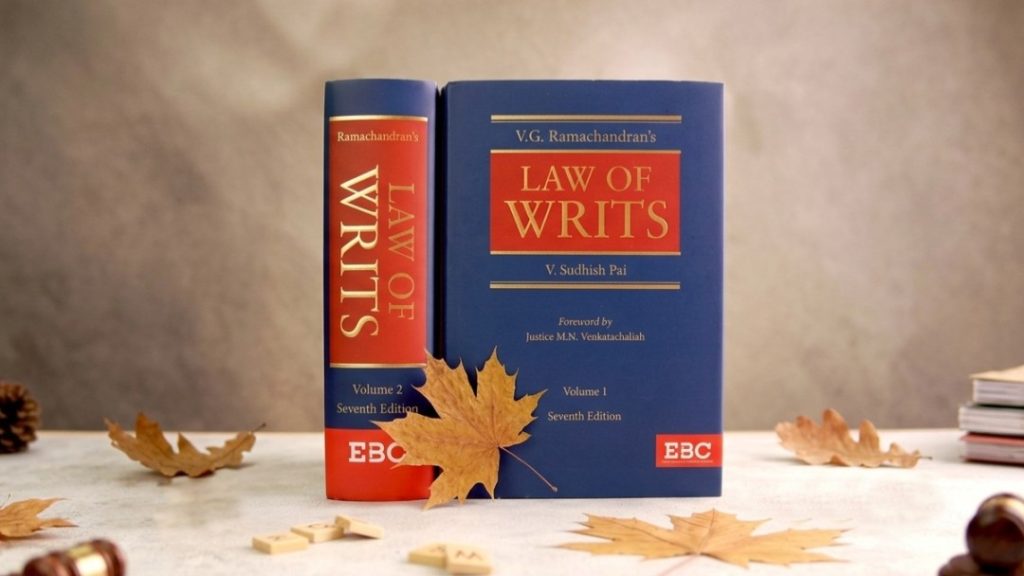
The Indian Constitution provides several legal remedies to protect the rights of citizens and maintain the rule of law. Among these remedies, constitutional writs play a very important role. Two commonly discussed writs in administrative and constitutional law are the Writ of Certiorari and the Writ of Prohibition.
Although both writs are issued by higher courts to control lower courts, tribunals, and quasi-judicial authorities, they are different in purpose, timing, and application.
Understanding the difference between certiorari and prohibition is essential for law students, judiciary aspirants, legal professionals, and anyone interested in constitutional law in India.
In this blog, we will explain the meaning, features, differences, constitutional provisions, landmark cases, and importance of these writs in simple language.
What Are Constitutional Writs?
Constitutional writs are formal legal orders issued by higher courts to protect legal and fundamental rights.
In India, writs are issued under:
- Article 32 by the Supreme Court
- Article 226 by High Courts
The Constitution provides five major writs:
- Habeas Corpus
- Mandamus
- Certiorari
- Prohibition
- Quo Warranto
These writs help courts ensure that public authorities and lower courts act within their legal powers.
What is the Writ of Certiorari?
The term “Certiorari” means “to be certified” or “to be informed.”
A writ of certiorari is issued by a higher court to quash or cancel the order of a lower court, tribunal, or quasi-judicial authority when that authority acts:
- beyond its jurisdiction,
- illegally,
- in violation of natural justice,
- or with procedural irregularity.
Purpose of Certiorari
The main purpose of certiorari is to correct errors committed by lower authorities after a decision has already been made.
Example
Suppose a tribunal passes an order without giving the affected party a fair hearing. The High Court may issue certiorari and cancel that order.
Features of the Writ of Certiorari
Corrective Nature
Certiorari is corrective because it cancels an illegal order already passed.
Issued After Decision
This writ is generally issued after the authority has made its decision.
Against Judicial and Quasi-Judicial Bodies
It is mainly issued against:
- lower courts,
- tribunals,
- quasi-judicial authorities.
Protects Natural Justice
Certiorari helps ensure fair procedure and lawful decision-making.
What is the Writ of Prohibition?
The term “Prohibition” means “to forbid” or “to stop.”
A writ of prohibition is issued by a higher court to prevent a lower court, tribunal, or quasi-judicial body from continuing proceedings that exceed its jurisdiction.
Purpose of Prohibition
The purpose is preventive rather than corrective.
It stops an authority before it passes an illegal order.
Example
If a tribunal starts hearing a matter outside its legal authority, the High Court may prohibit it from continuing the case.
Features of the Writ of Prohibition
Preventive Nature
Prohibition prevents illegal proceedings before a final order is passed.
Issued Before Decision
It is generally issued during ongoing proceedings.
Maintains Jurisdictional Limits
It ensures lower authorities stay within their legal powers.
Directed to Judicial Bodies
Like certiorari, it is mainly issued against judicial and quasi-judicial authorities.
Difference Between Certiorari and Prohibition
Although both writs control lower courts and tribunals, they differ in several ways.
| Basis | Certiorari | Prohibition |
|---|---|---|
| Meaning | Cancels an illegal order | Stops illegal proceedings |
| Nature | Corrective | Preventive |
| Timing | Issued after decision | Issued before final decision |
| Purpose | Quashes unlawful order | Prevents excess jurisdiction |
| Effect | Order becomes invalid | Proceedings are stopped |
| Stage | After completion of proceedings | During pending proceedings |
| Objective | Correct legal error | Prevent legal error |
Similarities Between Certiorari and Prohibition
Despite their differences, both writs share some similarities.
Issued by Higher Courts
Both are issued by the Supreme Court or High Courts.
Control Judicial Authorities
They supervise lower courts, tribunals, and quasi-judicial bodies.
Prevent Abuse of Power
Both writs ensure authorities act within legal limits.
Related to Jurisdiction
They mainly deal with jurisdictional errors and procedural fairness.
Grounds for Issuing Certiorari and Prohibition
Courts may issue these writs under several circumstances.
Lack of Jurisdiction
When an authority acts beyond its legal powers.
Excess of Jurisdiction
When a court exceeds the authority granted to it.
Violation of Natural Justice
For example:
- denial of fair hearing,
- bias,
- unfair procedure.
Error of Law
When a clear legal mistake appears in proceedings.
Frequently Asked Questions (FAQs)
1. What is the main difference between certiorari and prohibition?
Certiorari quashes an illegal order already passed, while prohibition stops proceedings before a final order is made.
2. Which courts can issue writs in India?
The Supreme Court under Article 32 and High Courts under Article 226 can issue writs.
3. Is prohibition preventive or corrective?
Prohibition is preventive because it prevents illegal proceedings from continuing.
4. Is certiorari issued before or after a decision?
Certiorari is usually issued after a lower authority has passed an order.
5. Against whom can these writs be issued?
They are generally issued against lower courts, tribunals, and quasi-judicial authorities.
6. Can certiorari and prohibition be issued against administrative authorities?
Usually, they apply to judicial or quasi-judicial bodies, but courts may intervene in administrative actions affecting legal rights and fairness.
7. Why are these writs important?
They protect the rule of law, prevent abuse of power, and ensure authorities act within their legal jurisdiction.
For further reading and detailed analysis, refer to this resource.