If you receive a police notice or a court summons, your reaction can range from confusion to panic. But here’s the reality:
These two are very different legal tools, and understanding them can protect your rights. With the introduction of the new criminal law framework, the rules have changed slightly, but importantly.
Legal Framework
India has replaced the old CrPC with:
- Bharatiya Nagarik Suraksha Sanhita, 2023
Key updated provisions:
- Section 35 BNSS → Police notice of appearance (earlier Section 41A CrPC)
- Sections 63 onwards BNSS → Summons issued by courts
BNSS is now mandatory for all criminal proceedings after July 2024
What Is a Notice ?
A notice is issued by the police asking you to appear for questioning during an investigation.
Legal Basis:
- Section 35(3) BNSS
What It Means:
- Police believe you may be involved in a case
- But arrest is not required at this stage
In fact, the law now prefers:
Notice first, arrest later (only if necessary)
Key Features of Notice
- Issued during investigation
- Mandatory in many cases (especially offences up to 7 years)
- You must appear and cooperate
- If you comply → you generally won’t be arrested
What Is a Summons?
A summons is a formal order issued by a court, requiring you to appear before it.
Legal Basis:
- Section 63 BNSS and related provisions
What It Means:
- A case has already reached the court stage
- You are required as:
- Accused, or
- Witness
Key Features of Summons
Issued by Magistrate/Court Must be:
- Written or digitally signed
- Properly served
Can be served:
- Physically
- Electronically (recognized under BNSS)
Notice vs Summons
| Basis | Notice (Section 35 BNSS) | Summons (Section 63 BNSS) |
|---|---|---|
| Issued by | Police | Court |
| Stage | Investigation | Trial / Court stage |
| Purpose | To assist investigation | To compel court appearance |
| Nature | Prevents unnecessary arrest | Legal obligation |
| If ignored | Can lead to arrest | Can lead to warrant |
What Happens If You Ignore Them?
Ignoring a Notice
- Police may:
- Record non-cooperation
- Proceed to arrest you
Ignoring a Summons
- Court may issue:
- Bailable warrant
- Non-bailable warrant
This escalates quickly and becomes serious.
Why This Difference Matters More Now
Under the new law:
- The system is shifting towards:
- Less arbitrary arrest
- More procedural fairness
But:
- If you ignore a notice → you lose that protection
- If you ignore a summons → you risk coercive action
FAQ
1. Is Section 41A notice still valid?
No. It has been replaced by:
Section 35 BNSS (2023)
2. Does receiving a notice mean I will be arrested?
No. In fact:
- Notice is issued to avoid arrest
3. Can police arrest me after giving notice?
Yes, but only if:
- You don’t comply, or
- Police record valid reasons
4. Is summons more serious than notice?
Yes. Because:
- It comes from a court
- It is legally binding
5. Can summons be sent on WhatsApp or email?
Under BNSS:
- Electronic service can be valid in some cases
- But proper service rules must still be followed
6. Can I take a lawyer when responding?
Yes, and it is highly advisable in both cases.
7. What should I do if I receive either?
For Notice:
- Appear and cooperate
- Carry documents
For Summons:
- Do not ignore
- Consult a lawyer immediately
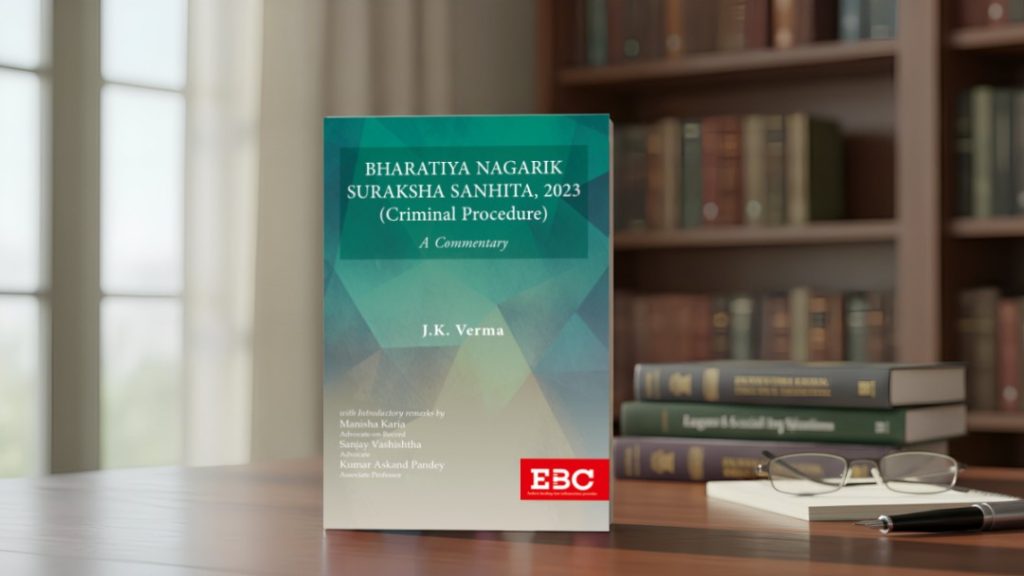
For further reading and detailed analysis, refer to this resource.