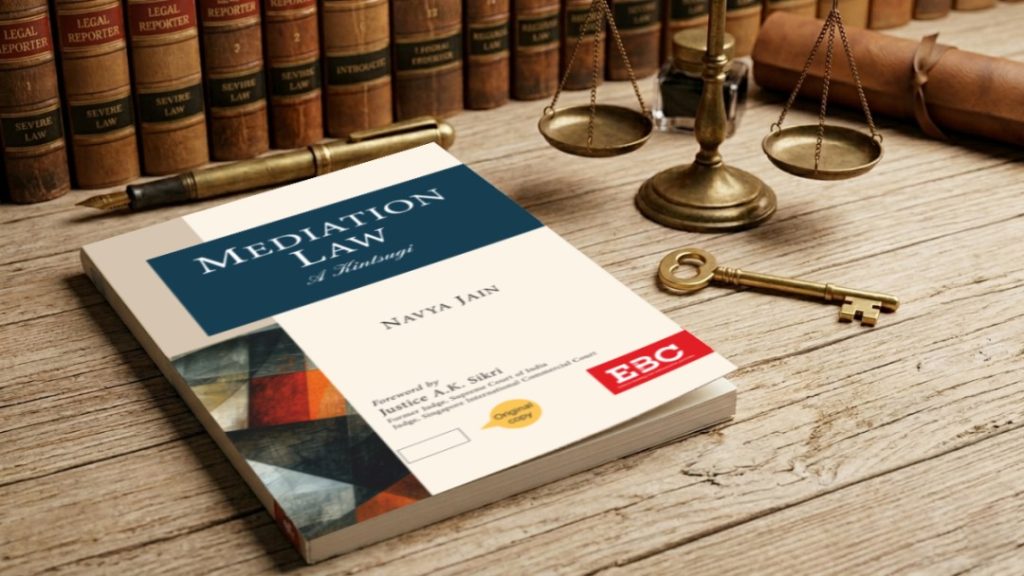
Disputes are a part of life, whether they arise in business contracts, family matters, property issues, employment conflicts, or commercial transactions. The real challenge is deciding how to resolve those disputes effectively.
In India, people often hear terms like mediation, arbitration, and litigation, but many do not fully understand how these dispute resolution methods differ. Choosing the wrong route can lead to unnecessary delays, high costs, and stressful legal battles.
This guide explains the difference between mediation, arbitration, and litigation in simple language, including their legal framework, advantages, disadvantages, and when each option works best.
What is Dispute Resolution?
Dispute resolution refers to the process of resolving conflicts between parties through legal or non-legal methods.
The three most common methods are:
- Mediation
- Arbitration
- Litigation
Mediation and arbitration fall under Alternative Dispute Resolution (ADR) methods, while litigation involves court proceedings.
Keyword focus: mediation vs arbitration vs litigation, dispute resolution methods India
What is Mediation?
Mediation is a voluntary process where a neutral third party called a mediator helps both sides reach a mutually acceptable settlement.
The mediator does not impose a decision. Instead, they facilitate communication.
Common cases for mediation:
- Family disputes
- Divorce matters
- Business disagreements
- Workplace conflicts
- Consumer disputes
Legal framework:
- Mediation Act, 2023
- Section 89 of the Code of Civil Procedure encourages courts to refer disputes to mediation in suitable cases.
Advantages:
- Faster process
- Lower costs
- Confidential
- Preserves relationships
Disadvantages:
- Settlement depends on both parties cooperating
- No guaranteed outcome
What is Arbitration?
Arbitration is a private dispute resolution process where an arbitrator hears both sides and gives a binding decision known as an arbitral award.
Unlike mediation, arbitration results in a decision.
Common cases:
- Commercial disputes
- Contract disputes
- Construction disputes
- Corporate disagreements
- International trade disputes
Legal framework:
- Arbitration and Conciliation Act, 1996
Advantages:
- Faster than court cases
- Private proceedings
- Expert arbitrators
- Binding outcome
Disadvantages:
- Can be expensive in complex cases
- Limited appeal options
What is Litigation?
Litigation means resolving disputes through courts.
A judge hears both sides and passes a legally enforceable judgment.
Common cases:
- Criminal cases
- Constitutional disputes
- Property disputes
- Serious contractual disputes
- Divorce cases (where settlement fails)
Legal framework:
- Code of Civil Procedure, 1908
- Bharatiya Nagarik Suraksha Sanhita (for criminal procedure matters replacing CrPC framework)
Advantages:
- Strong legal enforceability
- Suitable for complex legal disputes
- Formal judicial process
Disadvantages:
- Time-consuming
- Expensive
- Public proceedings
Key Differences Between Mediation, Arbitration, and Litigation
| Factor | Mediation | Arbitration | Litigation |
|---|---|---|---|
| Decision Maker | Parties themselves | Arbitrator | Judge |
| Binding Decision | No (unless settlement signed) | Yes | Yes |
| Privacy | Private | Private | Usually public |
| Cost | Low | Moderate | High |
| Time | Fast | Moderate | Slow |
| Appeals | Not applicable | Limited | Available |
| Flexibility | High | Moderate | Low |
When Should You Choose Mediation?
Mediation works best when:
- Both parties want peaceful settlement
- Family/business relationships matter
- Parties want privacy
- Quick resolution is needed
When Should You Choose Arbitration?
Arbitration works best when:
- Contracts contain arbitration clauses
- Business disputes arise
- Technical expertise is required
- Parties want private adjudication
When Should You Choose Litigation?
Litigation may be necessary when:
- Criminal offenses are involved
- Urgent court orders are required
- One party refuses settlement
- Legal precedent is important
Is Mediation Mandatory in India?
Under certain situations, courts may encourage or refer parties to mediation.
The Mediation Act, 2023 has strengthened institutional mediation in India.
Which Option is Better?
There is no one-size-fits-all answer.
Choose:
- Mediation → for peaceful settlements
- Arbitration → for private commercial disputes
- Litigation → for formal court enforcement
The best option depends on your dispute type, budget, urgency, and desired outcome.
FAQs
Is mediation legally binding in India?
The settlement becomes binding once parties sign the agreement.
Can arbitration awards be challenged?
Yes, but only on limited legal grounds under Arbitration and Conciliation Act, 1996.
Is litigation more expensive?
Usually yes, due to court fees and longer timelines.
Can family disputes go to arbitration?
Generally, personal matrimonial issues are usually not arbitrable.
Which method is fastest?
Mediation is often the fastest.
For further reading and detailed analysis, refer to this resource.