In a diverse and culturally rich country like India, defining what is “obscene” is not always straightforward. What may be considered acceptable expression by some could be seen as offensive or immoral by others. This is where the law steps in—to draw a line between freedom of expression and public decency. This blog explains the concept of obscenity in Indian law in a clear and simple way, covering its meaning, legal tests, and the framework that governs it.
What Does “Obscenity” Mean in Law?
In general terms, obscenity refers to content that is offensive to modesty or morality, especially when it involves sexual content that may corrupt or deprave people. However, Indian law does not provide a single fixed definition of obscenity. Instead, it relies on judicial interpretation, meaning courts decide what counts as obscene based on facts, context, and societal standards.
Legal Basis of Obscenity in India
Obscenity is primarily governed by the Indian Penal Code (IPC) and other related laws.
1. Section 292 of IPC
This is the main provision dealing with obscenity.
It prohibits:
- Selling, distributing, or publicly exhibiting obscene material
- Circulating content that is lascivious or appeals to sexual interests
- Material that may corrupt or deprave viewers or readers
2. Section 293 of IPC
- Deals with sale of obscene material to minors
- Provides stricter punishment
3. Section 294 of IPC
- Punishes obscene acts or songs in public places
Obscenity vs Freedom of Speech
India guarantees freedom of speech and expression under Article 19(1)(a) of the Constitution. However, this freedom is not absolute.
Under Article 19(2), the State can impose reasonable restrictions in the interest of:
- Decency
- Morality
This means that while people are free to express themselves, obscene content can be restricted by law.
Tests to Determine Obscenity
Since obscenity is subjective, courts have developed certain tests over time.
1. The Hicklin Test (Earlier Approach)
This test looked at:
- Whether the content could corrupt or deprave vulnerable minds
- Even isolated parts of the content could be judged
Problem: It was too strict and often ignored the overall message of the work.
2. The Community Standards Test (Modern Approach)
Indian courts now follow a more balanced method.
This test considers:
- The work as a whole (not just parts)
- Contemporary social standards
- The overall message and purpose
If the content has artistic, literary, or social value, it may not be considered obscene.
3. The Contemporary Community Standards Approach
Courts evaluate:
- What an average person in society would consider acceptable
- Changing social norms over time
This makes the law more flexible and realistic.
Important Judicial Developments
Indian courts have played a major role in shaping obscenity law.
- Courts have moved away from rigid standards
- Greater importance is given to context and intent
- Works with social, artistic, or educational value are often protected
The focus today is on balance, protecting morality without unnecessarily restricting freedom.
Obscenity in the Digital Age
With the rise of the internet and social media, obscenity laws face new challenges:
- Online content spreads rapidly
- Jurisdiction becomes complex
- Platforms host diverse content
To address this, laws like the Information Technology Act, 2000 also regulate obscene content online.
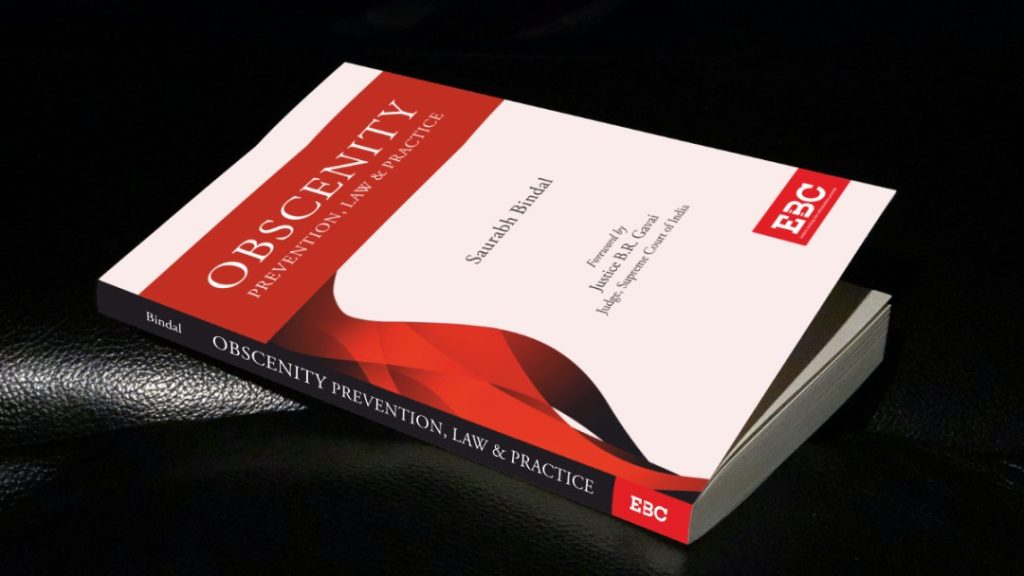
For a more in-depth and nuanced understanding of this topic, you may refer to this book.