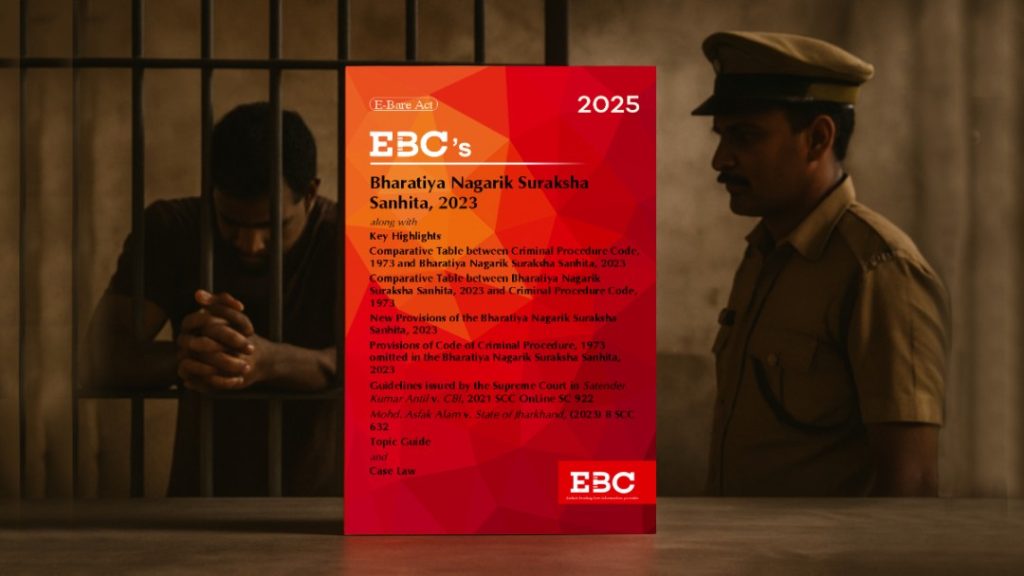
Being taken into police custody can be intimidating, but Indian law provides strong safeguards to protect individuals from arbitrary arrest, illegal detention, and custodial abuse. Knowing these rights is not just empowering; it is essential. This blog explains your Rights during police custody in India.
What Is Police Custody?
Police custody refers to the period when a person who has been arrested is kept under the control of the police for investigation. It is time-bound and strictly regulated by law.
Key Laws Governing Police Custody in India
Bharatiya Nagarik Suraksha Sanhita, 2023 (BNSS)
(In force from 1 July 2024 – replaced CrPC)
This is the primary procedural law governing arrest, detention, and police custody.
Constitution of India
Fundamental Rights apply even inside police custody.
Indian Evidence Act, 1872
Protects against forced confessions and illegal evidence.
Your Rights During Police Custody
1. Right to Be Informed of Grounds of Arrest
- Police must clearly tell you why you are being arrested
- You must also be informed if the offence is bailable
BNSS – provisions corresponding to arrest safeguards
2. Right to Legal Counsel
- You have the right to consult a lawyer of your choice
- Police cannot deny access to a lawyer
- You may meet your lawyer during custody (though not throughout interrogation)
Article 22(1), Constitution of India
3. Production Before a Magistrate Within 24 Hours
- You must be produced before a magistrate within 24 hours of arrest
- Travel time excluded
- Police cannot detain you beyond this without judicial permission
Article 22(2), Constitution of India
BNSS – custody and remand provisions
4. Limits on Police Custody
- Police custody is not automatic
- It can be granted only by a magistrate
- Maximum police custody is limited and supervised
- After that, custody becomes judicial custody
BNSS – remand and custody provisions
5. Protection Against Torture and Forced Confession
- You cannot be tortured, threatened, or coerced
- You cannot be forced to confess
- Silence cannot be held against you
Article 20(3), Constitution of India
BSA Section 23 – Confession to Police Officer
6. Right to Medical Examination
- You have the right to be medically examined
- Injuries must be recorded
- Medical check-ups act as protection against custodial violence
BNSS – medical examination provisions
7. Right to Inform a Friend or Relative
- Police must inform one friend, relative, or well-wisher
- Arrest details must be recorded
Supreme Court custody safeguards (D.K. Basu guidelines – still applicable)
8. Women, Children & Vulnerable Persons
- Women cannot be arrested at night, except in exceptional circumstances
- Female arrestees must be handled by female police officers
- Juveniles are governed by special child protection laws
What the Police CANNOT Do
- Detain you without recording an arrest
- Keep you beyond 24 hours without magistrate approval
- Use third-degree methods
- Deny access to a lawyer
- Force you to sign a confession
Frequently Asked Questions (FAQs)
Q: Can police arrest me without a warrant?
Yes, but only for cognizable offences and only if legal conditions are satisfied. Arbitrary arrests are illegal.
Q: Can I refuse to answer police questions?
You must provide basic identification details, but you cannot be forced to incriminate yourself.
Q: Can police keep my phone?
Police may seize devices only following legal procedure and must document the seizure.
Q: What if police beat or threaten me?
This is illegal. You can:
- Inform your lawyer
- Demand a medical examination
- Raise the issue before the magistrate
Q: Is police custody the same as jail?
No.
- Police custody: under police control for investigation
- Judicial custody: under court authority (usually in jail)
Q: Do these rights apply even if I am guilty?
Yes.
Rights protect individuals, not innocence alone.