In legal practice, strong arguments begin with strong research. Whether you’re preparing a brief, advising a client, or interpreting precedent, the right legal research books sharpen accuracy, efficiency, and confidence at every stage of practice.
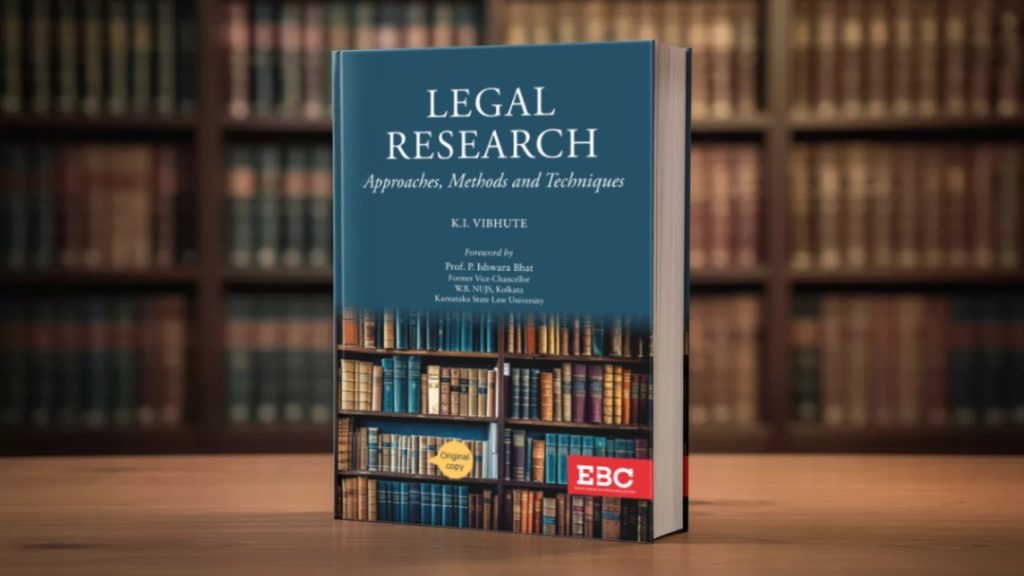
Legal Research: Approaches, Methods and Techniques
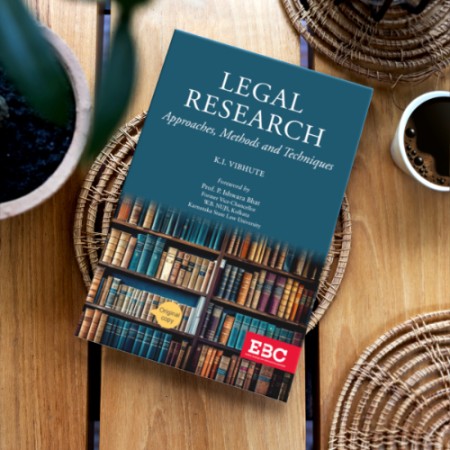
This book provides a comprehensive understanding of the fundamentals, approaches, and techniques of legal research, with a strong focus on efficiency and academic rigor. It aims to build research competence by examining how law interacts with society. Widely prescribed by universities and National Law Universities (NLUs), it is an essential resource for students and researchers. The book is structured into three parts covering the basics of legal research, doctrinal and non-doctrinal approaches, and practical research methods. Each chapter begins with thematic quotations and clear learning objectives to enhance clarity. The annexures include UGC anti-plagiarism regulations, self-plagiarism guidelines, and citation standards, adding significant practical value.
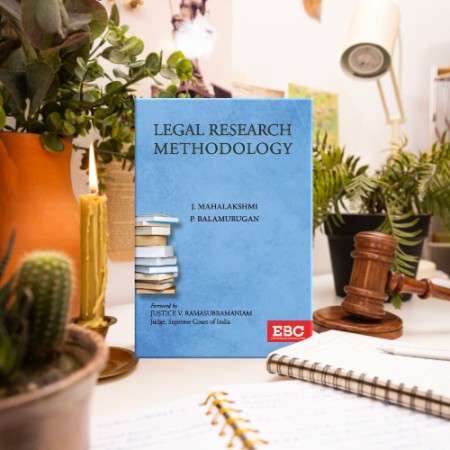
Legal Research Methodology
Legal research is fundamental to the study and practice of law, forming the basis of sound legal reasoning and professional growth. It develops analytical and critical thinking skills essential for legal education. Through research, law students and professionals engage with both legal doctrine and the real-world impact of law on society. Legal research also supports specialization and interdisciplinary understanding in emerging areas of law. It plays a vital role in shaping effective legal policy and reform. This book equips law students, lawyers, and judges with practical and theoretical tools to meet academic and professional research needs.
Legal Method: An Introduction
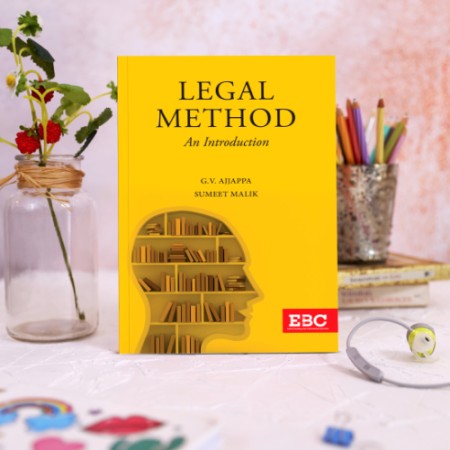
Legal Method is a foundational subject prescribed by the Bar Council of India and this book is tailored specifically for Indian law students. Unlike foreign texts, it presents legal concepts within the context of the Indian legal system. It addresses the complexity of Indian law shaped by diverse personal laws and customs. Designed for first-year LL.B. students, the book offers a clear and structured introduction to core legal concepts. The chapters cover jurisprudence, sources and classifications of law, common law, and the Indian legal system. Written by Professor G.V. Ajjappa and Mr. Sumeet Malik, it is an essential resource for students and teachers of law.
Legal Research and Moot Court (With Sample Moot Memorial)
Legal Research and Moot Court (With Sample Moot Memorial) is a practical guide aimed at introducing law students to legal research and moot court practice. The book explains essential research skills and their application in preparing for moots. It provides clear guidance on drafting pleadings and memorials, supported by a sample moot memorial. The content connects legal research with advocacy and courtroom presentation. Written in a student-friendly manner, it is especially helpful for beginners in law schools. Authored by Rajni Malhotra Dhingra, Aarushi Agarwal, and Deepa Kaushik, the book serves as a valuable academic and practical resource.

Handbook on Legal Research Methodology
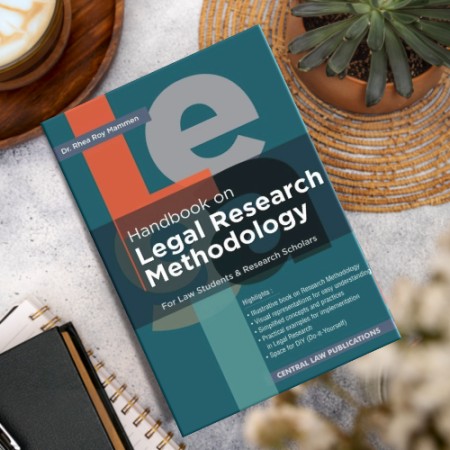
Handbook on Legal Research Methodology by Rhea Roy Mammen is a concise and practical guide designed to introduce students to the fundamentals of legal research. The book explains core research concepts, tools, and techniques in a clear and structured manner. It focuses on building analytical skills and helping readers understand how to frame research questions effectively. The handbook also addresses citation practices and research ethics, making it especially useful for academic writing. Written in accessible language, it caters well to undergraduate and postgraduate law students. Overall, it serves as a handy reference for developing a strong foundation in legal research methodology.
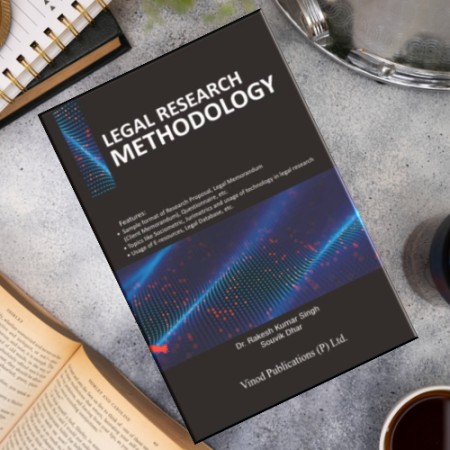
Legal Research Methodology
Legal Research Methodology by Rakesh Kumar Singh and Souvik Dhar provides a structured and practical introduction to the principles and techniques of legal research. The book explains the fundamentals of research design, doctrinal and non-doctrinal approaches, and methods of legal analysis. It guides readers on framing research problems, reviewing literature, and using sources of law effectively. Attention is also given to citation practices, ethics, and academic integrity in legal writing. Written in a clear and accessible style, the book is suitable for law students and early researchers. It serves as a useful resource for both academic study and applied legal research.
Legal Research Methodology
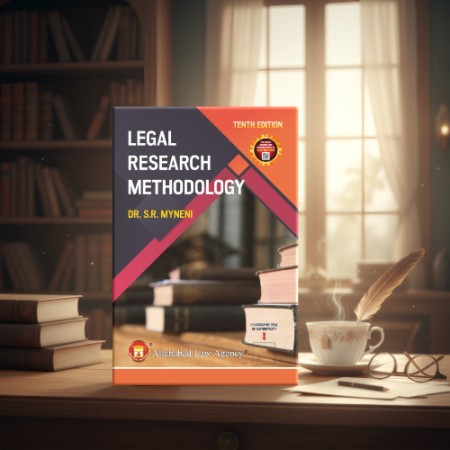
Legal Research Methodology by Dr. S.R. Myneni is a comprehensive guide for law students, researchers, and legal professionals. The book explains the fundamentals and evolution of legal education and research. It provides detailed coverage of legal research methodologies, including qualitative and quantitative approaches. The text discusses data collection techniques and methods of legal analysis. It also offers practical guidance on drafting research papers, articles, and case notes. Updated to match current academic syllabi, the book is a valuable resource for legal research and writing.