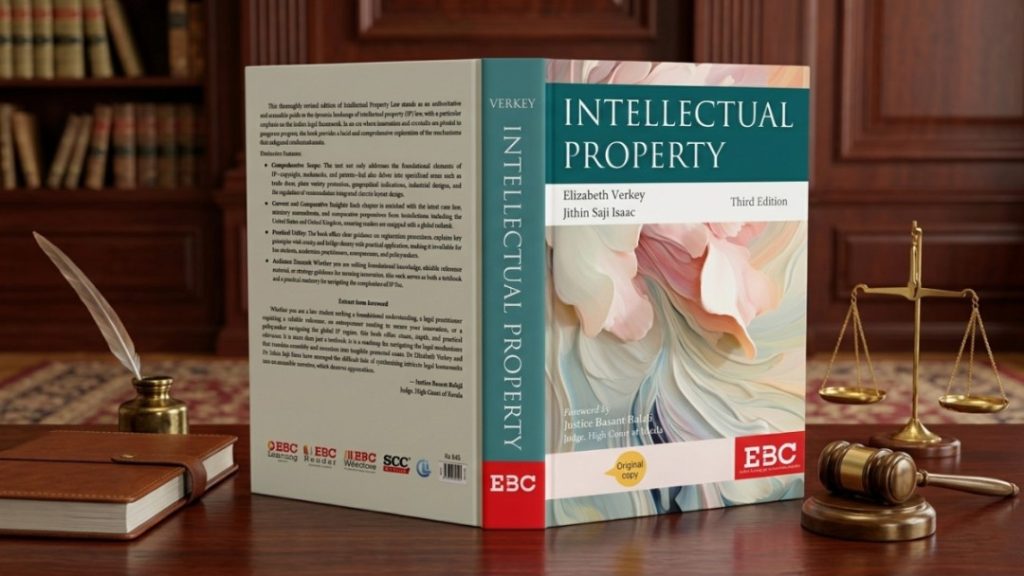
In today’s hyper-competitive startup ecosystem, ideas alone are not enough; protecting those ideas is what creates real business value. Intellectual Property Rights (IPR) act as legal shields that safeguard your innovation, brand identity, and creative assets. For Indian startups, understanding IPR is not optional; it is a strategic necessity for growth, funding, and long-term sustainability.
What is IPR?
Intellectual Property Rights (IPR) are legal rights granted to individuals or businesses over creations of the mind, such as inventions, designs, brand names, and creative content.
These rights allow startups to:
- Prevent unauthorized use of their work
- Build a competitive advantage
- Monetize innovations through licensing or sales
Legal Framework of IPR in India
India has a well-established IPR ecosystem governed by multiple laws, including:
- The Patents Act, 1970
- The Trade Marks Act, 1999
- The Copyright Act, 1957
- The Designs Act, 2000
The system is administered by the Office of the Controller General of Patents, Designs and Trade Marks (CGPDTM), commonly known as IP India.
India is also compliant with global agreements like TRIPS, ensuring international protection standards.
Types of Intellectual Property for Startups
Understanding the types of IPR is critical because each protects a different business asset.
1. Patents
- Protect inventions and technological innovations
- Valid for 20 years from filing
- Applicable if the invention is:
- Novel
- Non-obvious
- Industrially applicable
Best for: Tech startups, product-based businesses
2. Trademarks
- Protect brand elements like:
- Name
- Logo
- Tagline
- Valid for 10 years (renewable indefinitely)
Best for: All startups (branding is critical)
3. Copyright
- Protects:
- Content
- Software code
- Designs
- Marketing material
Registration is optional but recommended for legal proof.
Best for: Content creators, SaaS startups, digital businesses
4. Industrial Designs
- Protect the visual appearance of products
Best for: Consumer products, hardware startups
5. Trade Secrets
- Protect confidential business information
- No formal registration—protected through contracts and NDAs
Best for: Algorithms, formulas, internal processes
Why IPR is Crucial for Startups
IPR is not just legal, it is a business asset.
Key Benefits:
- Prevents copying by competitors
- Builds brand credibility
- Attracts investors and funding
- Enables licensing and additional revenue streams
Strong IP = Higher startup valuation
How to Register IPR in India (Step-by-Step)
While each IP type has its specifics, the general process is:
1. Filing
Submit application with required documents to the relevant authority
(Patent Office, Trademark Registry, etc.)
2. Examination
Authorities review the application for legal compliance
3. Publication
Application is published for public opposition
4. Grant/Registration
If no objections, IP rights are granted’
Government Support for Startups (SIPP Scheme)
The Indian government actively supports startups through the:
Startup Intellectual Property Protection (SIPP) Scheme
- Provides legal assistance and facilitators
- Reduces costs for startups
- Promotes awareness and faster IP adoption
Startups can also get fee rebates (up to 80%) for patents.
Common IPR Mistakes Startups Make
Avoid these critical errors:
- Not registering trademarks early
- Ignoring IP until scaling stage
- Filing without proper research
- Assuming registration = full protection
- Not monitoring infringement
Early IP strategy = fewer legal disputes later
IPR Strategy for Startups
Instead of filing everything, follow this:
Stage 1 (Early Startup)
- Register trademark
- Secure domain + brand identity
Stage 2 (Product Development)
- File patent (if applicable)
- Protect designs
Stage 3 (Growth Phase)
- Strengthen copyright
- Build trade secret systems
Find a comprehensive guide on this topic here.