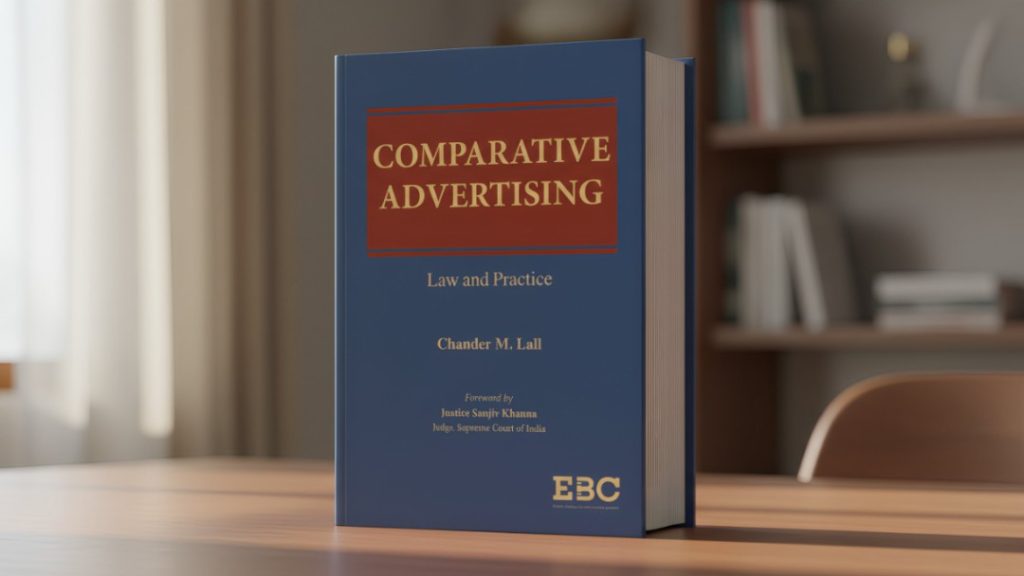
Comparative advertising is a marketing strategy where a business promotes its product by comparing it with a competitor’s product. These comparisons may involve price, quality, features, or performance. While such advertising is legal in many jurisdictions, it is strictly regulated to ensure competition remains fair and does not mislead consumers or harm reputations.
This guide explains the concept, legal principles, rules, and real-world examples in a clear and practical way.
What Is Comparative Advertising?
Comparative advertising occurs when an advertisement:
- mentions a competitor by name, or
- indirectly refers to a competitor (e.g., “leading brand”), or
- compares measurable features
Example:
“Our detergent removes stains 30% better than Brand X.”
Is Comparative Advertising Legal?
Yes—but only if it follows legal standards.
Most legal systems allow comparative advertising because it:
- promotes competition
- helps consumers make informed choices
- encourages innovation
However, it becomes unlawful if it is:
- misleading
- defamatory
- unfair
- unverifiable
Legal Principles Governing Comparative Advertising
1. Truthfulness Requirement
Claims must be factually accurate and provable. If a company claims its product is “twice as strong,” it must have reliable test data.
2. No Defamation or Disparagement
Businesses cannot falsely harm a competitor’s reputation. Courts distinguish between:
| Allowed | Not Allowed |
|---|---|
| Honest comparison | False statements |
| Objective claims | Insults or ridicule |
| Test-based results | Fabricated data |
3. Identifiable Competitor Rule
If a competitor is identifiable—even indirectly—the advertisement must still be fair and truthful.
Example of indirect identification:
“Unlike the leading red-label toothpaste…”
If consumers can reasonably identify the competitor, laws apply.
4. Objective Comparison Standard
Comparisons must be based on measurable characteristics, such as:
- price
- durability
- performance
- ingredients
Subjective claims like “ours tastes better” are usually considered opinions rather than legal comparisons.
How Courts Evaluate Comparative Advertising
Courts generally examine:
- intent of the advertiser
- truthfulness of claims
- overall impression on consumers
- supporting evidence
- likelihood of confusion
In India, courts frequently rely on principles laid down by the Supreme Court of India, which has held that:
A trader may compare goods, but cannot denigrate or defame a competitor.
This principle forms the backbone of Indian comparative advertising law.
Role of Self-Regulation
Apart from courts, advertising disputes may also be reviewed by industry regulators such as the Advertising Standards Council of India.
This body evaluates complaints about ads and can:
- order modification of ads
- request withdrawal
- issue warnings
While its rulings are not criminal penalties, they carry strong industry influence.
Real-World Style Examples
Lawful Comparative Ad
A smartphone brand states:
“Our battery lasts 20 hours. Brand Y lasts 15 hours (tested under standard lab conditions).”
Why lawful?
- measurable claim
- supported by data
- no insult or ridicule
Unlawful Comparative Ad
A beverage ad claims:
“Brand Z is harmful and unsafe.”
Why unlawful?
- allegation without proof
- damages reputation
- constitutes disparagement
Borderline Case
An ad shows a blurred competitor product exploding while its own works perfectly.
Courts may consider:
- whether viewers can identify competitor
- whether depiction is exaggerated or misleading
Comparative Advertising vs Trademark Infringement
Using a competitor’s trademark is not automatically illegal.
It is lawful if:
- used only for comparison
- not misleading
- not implying endorsement
It becomes infringement if it:
- causes consumer confusion
- suggests affiliation
- misuses logo or branding
To know more about the topic, you may refer to this resource.