India’s criminal procedure law classifies offences mainly into cognizable and non-cognizable categories to determine:
- Whether police can register an FIR on their own
- Whether police can arrest without warrant
- Whether court permission is required before investigation
These concepts now operate under the Bharatiya Nagarik Suraksha Sanhita, 2023 (BNSS), which has replaced the Code of Criminal Procedure, 1973 (CrPC).
Although section numbers have changed, the substantive meaning and principles remain largely the same.
1. Meaning of Cognizable Offence (Under BNSS)
A cognizable offence is an offence in which:
Police can register an FIR, investigate, and arrest without prior permission of a Magistrate.
Nature of Cognizable Offences
- Serious and grave offences
- Affect society at large
- Require immediate police action
Police Powers
- Can register FIR without a court order
- Can start the investigation without permission
- Can arrest without a warrant
Common Examples
- Murder
- Rape
- Kidnapping
- Robbery
- Dowry death
- Human trafficking
- Terrorist acts
2. Meaning of Non-Cognizable Offence (Under BNSS)
A non-cognizable offence is an offence in which:
Police cannot investigate or arrest without prior permission of a Magistrate.
Nature of Non-Cognizable Offences
- Less serious in nature
- Usually personal or private disputes
Police Powers
- Cannot register FIR without the court’s direction
- Cannot investigate without the Magistrate’s permission
- Cannot arrest without a warrant
Common Examples
- Defamation
- Simple hurt
- Criminal trespass
- Public nuisance
- Simple cheating
3. Key Differences Between Cognizable and Non-Cognizable Offences
| Basis | Cognizable Offence | Non-Cognizable Offence |
| Seriousness | Serious | Less serious |
| FIR without court order | Yes | No |
| Investigation without permission | Yes | No |
| Arrest without warrant | Yes | No |
| Court permission required initially | No | Yes |
4. Why This Classification Exists
The BNSS follows this classification to:
- Enable quick police action in serious crimes
- Prevent unnecessary harassment in minor disputes
- Balance individual liberty and public interest
5. What Happens in Practice
Cognizable Case
If a person reports a murder:
- Police must register FIR immediately
- Police can investigate and arrest
- Court supervision begins later
Non-Cognizable Case
If a person reports defamation:
- Police record the complaint
- Complainant approaches Magistrate
- If Magistrate permits, police investigate
6. Can a Case Change Its Nature?
Yes.
- If investigation reveals a cognizable offence, police can proceed without court order.
- If only non-cognizable elements remain, police must seek Magistrate’s permission.
7. Relationship with Bailable and Non-Bailable Offences
Cognizable vs Non-cognizable deals with police power.
Bailable vs Non-bailable deals with right to bail.
They are separate classifications.
Example:
- A cognizable offence can be bailable (e.g., simple hurt in some cases).
- A non-cognizable offence can still be non-bailable in rare situations.
8. Rights of the Accused Under BNSS
Regardless of offence type:
- Right to know grounds of arrest
- Right to legal counsel
- Right to be produced before Magistrate within 24 hours of arrest
- Right against illegal detention
9. Importance for Citizens
Understanding this distinction helps citizens:
- Know when police must act immediately
- Know when court intervention is required
- Protect themselves from unlawful arrest
- Use correct legal remedies
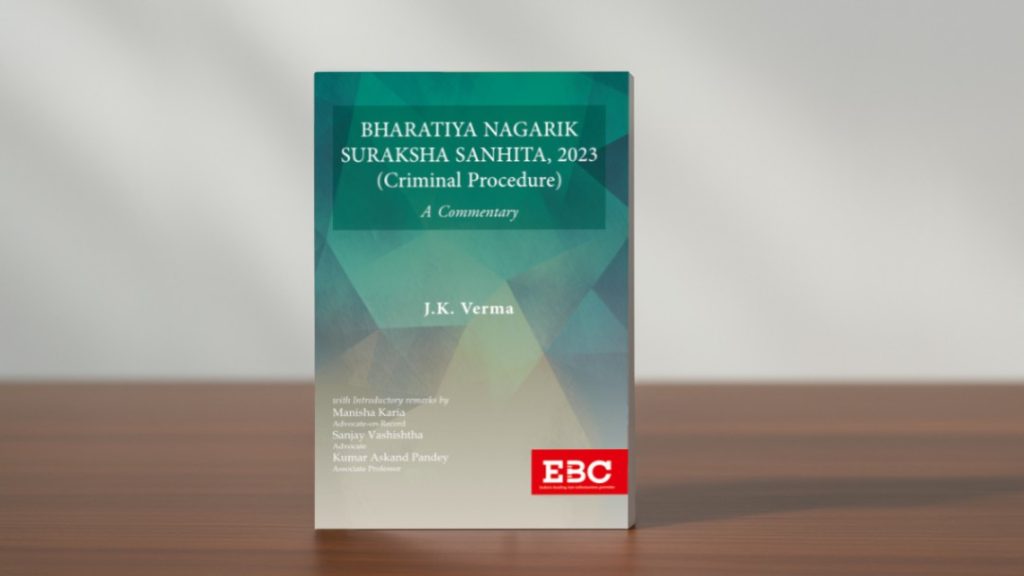
To gain more information on this topic, you may refer to this book.