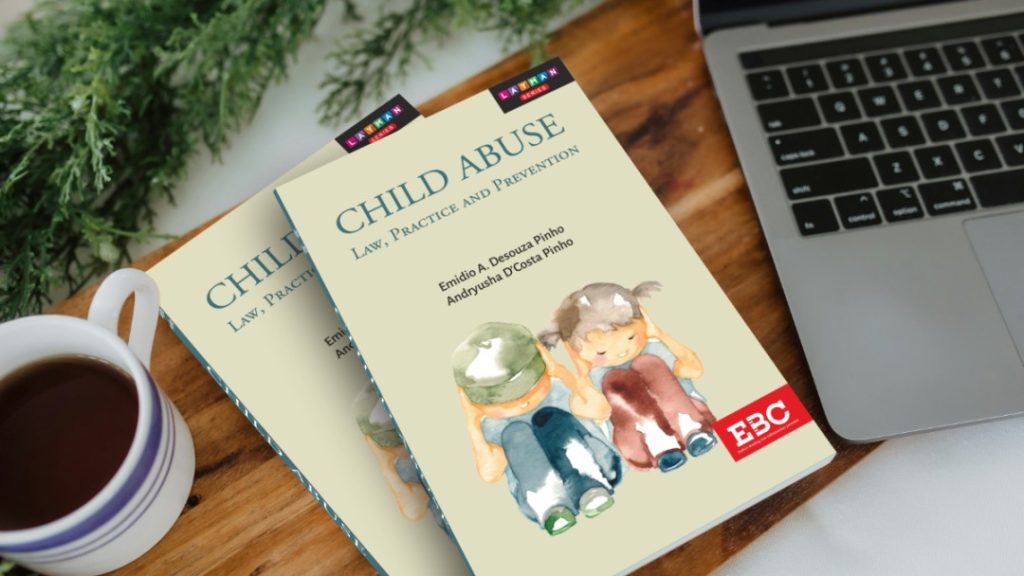
In today’s rapidly changing world, ensuring a child’s safety goes far beyond physical protection. From online risks to social challenges, children face multiple vulnerabilities that demand awareness, vigilance, and proactive action. This guide brings together everything parents must know about child safety in 2026, covering abuse prevention, legal protections, and the collective role of society.
Understanding Child Abuse: The First Step to Prevention
Child abuse is not always visible. It can take several forms:
- Physical abuse
- Emotional abuse
- Sexual abuse
- Neglect and exploitation
In India, laws like the Protection of Children from Sexual Offences Act, 2012 (POCSO Act) provide strict legal protection against child sexual abuse.
Warning Signs Parents Must Watch
- Sudden behavioral changes
- Fear of certain individuals or places
- Withdrawal or aggression
- Unexplained injuries
Early identification can prevent long-term trauma.
Role of Parents, Teachers, Well-Wishers, and Children
Child safety is a shared responsibility.
Parents
- Create a safe and open communication environment
- Educate children about boundaries
- Monitor both offline and online activities
Teachers
- Identify early signs of abuse
- Report suspicious behavior
- Promote safe school environments
Well-Wishers (Relatives, Neighbors, Community)
- Stay vigilant
- Report concerns without hesitation
- Support affected children
Children
- Learn about good touch and bad touch
- Speak up when uncomfortable
- Trust safe adults
Child Protection Structure and Mechanism in India
India has a structured system to protect children:
- National Commission for Protection of Child Rights (NCPCR)
- CHILDLINE 1098 (24/7 emergency helpline)
- Juvenile Justice Boards
- Special courts under POCSO
These institutions ensure rescue, rehabilitation, and justice.
Child Sexual Abuse: Awareness is Protection
Child sexual abuse remains one of the most serious threats.
What Parents Should Teach:
- Body safety rules
- Saying “NO” assertively
- Reporting unsafe situations immediately
Important:
Children often know the abuser, making trust and communication critical.
Missing Children: What Every Parent Must Know
Thousands of children go missing every year due to:
- Trafficking
- Runaways
- Abduction
Immediate Steps:
- File an FIR without delay
- Contact CHILDLINE (1098)
- Inform local police and child welfare authorities
Time is critical in such cases.
Corporal Punishment: Why It Must Stop
Physical punishment is often normalized but can cause:
- Psychological trauma
- Fear and anxiety
- Long-term behavioral issues
India prohibits corporal punishment in schools under child protection laws. Positive discipline is always more effective.
Child Online Protection in 2026
With increased digital exposure, children face risks like:
- Cyberbullying
- Online predators
- Inappropriate content
Safety Measures:
- Use parental controls
- Educate about online privacy
- Encourage open discussions
Child Labour: A Hidden Reality
Despite strict laws, child labour still exists.
Why It Happens:
- Poverty
- Lack of education
- Exploitation
Parents and society must ensure:
- Children stay in school
- Illegal labour is reported
Child Marriage: A Continuing Concern
Child marriage affects:
- Education
- Health
- Future opportunities
It is illegal under Indian law, yet persists in some areas.
What Can Be Done:
- Awareness campaigns
- Community intervention
- Reporting such cases
Child Domestic Abuse: Often Overlooked
Abuse within homes is the most difficult to detect.
Signs:
- Fearful behavior
- Isolation
- Emotional distress
Parents must ensure homes are safe spaces, not places of fear.
If you’d like a deeper insight into this topic, this book is an excellent place to start.