What Is Nuisance Under Indian Law
Nuisance means an unlawful interference with a person’s use or enjoyment of land, or of some right connected with it. It does not always require physical entry onto property. Loud noise, foul smell, smoke, vibration, or an obstruction on a public road can all amount to nuisance even though the wrongdoer never sets foot on the affected property.
Indian law recognises two broad categories:
- Private nuisance: interference with a specific individual’s enjoyment of their property, such as a factory releasing fumes that affect a neighbouring house.
- Public nuisance: an act that affects the public at large or a considerable section of it, such as blocking a public street or polluting a common water source.
Statutory Basis for Nuisance
- Bharatiya Nyaya Sanhita (BNS), 2023, Sections 270 to 291: These provisions (which replaced Sections 268 to 294A of the Indian Penal Code, 1860, from July 2024) define public nuisance and prescribe punishment for acts like fouling public water, negligent conduct with fire, or obstruction on a public way.
- Bharatiya Nagarik Suraksha Sanhita (BNSS), 2023, Section 152 (earlier Section 133, Code of Criminal Procedure, 1973): Empowers a magistrate to order removal of a public nuisance, such as an unlawful obstruction or a dangerous trade being carried on in a residential area.
- Law of Torts (uncodified, common law based): Private nuisance as a civil wrong is not defined in a single Indian statute. Courts apply common law principles, developed through English tort law and adapted by Indian jurisprudence, to decide what amounts to unreasonable interference.
- Environment Protection Act, 1986: Often invoked alongside nuisance claims where pollution, noise, or hazardous emissions affect the public.
What Is Trespass Under Indian Law
Trespass, unlike nuisance, always involves a direct and unlawful physical interference. It can occur without causing any actual damage, since the wrong lies in the intrusion itself.
Trespass in India exists in two forms:
- Civil trespass: Entering another person’s land without permission, or allowing an object or animal to remain on someone else’s property without authorisation. This is a private wrong dealt with under general tort principles.
- Criminal trespass: Entering or remaining on property with intent to commit an offence, intimidate, insult, or annoy the occupant.
Statutory Basis for Trespass
- Bharatiya Nyaya Sanhita, 2023, Sections 329 to 334 (earlier Sections 441 to 462, Indian Penal Code): Define criminal trespass, house trespass, house breaking, and prescribe graded punishment depending on aggravating factors like use of force or trespass at night.
- Specific Relief Act, 1963, Sections 5 and 6: Allow a person dispossessed of immovable property without due process to recover possession, which is directly relevant when trespass leads to dispossession.
- Code of Civil Procedure, 1908, Order 39: Provides for temporary injunctions, commonly used to restrain an ongoing or threatened trespass while a civil suit is pending.
- Transfer of Property Act, 1882: Relevant where trespass disputes intersect with easement rights or licences over land.
Rights, Obligations, and Remedies
A property owner has the right to enjoy their land without unreasonable disturbance and the right to exclude others from it. Correspondingly, every person has an obligation not to interfere with another’s enjoyment of property and not to enter another’s land without lawful authority.
Remedies available include:
- Injunction: A court order restraining the wrongdoer from continuing the nuisance or trespass, sought under the Specific Relief Act, 1963 and CPC Order 39.
- Damages: Monetary compensation for loss suffered, decided under general tort principles.
- Abatement: Self-help remedy allowing a person to remove a nuisance without going to court, though this must be exercised carefully and without unnecessary force.
- Criminal prosecution: For public nuisance or criminal trespass, prosecution can proceed independently of any civil suit.
Frequently Asked Questions
Yes. Discomfort, inconvenience, or interference with enjoyment of property is enough for private nuisance; physical damage is not always necessary.
No. Trespass is only criminal when it is accompanied by intent to commit an offence, intimidate, insult, or annoy, as defined under the Bharatiya Nyaya Sanhita.
Generally, the person in occupation and control of the property, often the tenant, is liable, though facts of each case matter.
Public nuisance affects the community or public at large, while private nuisance affects a specific individual’s use of their property.
Yes, through abatement, but this should be done peacefully and without excessive force to avoid inviting counter-claims.
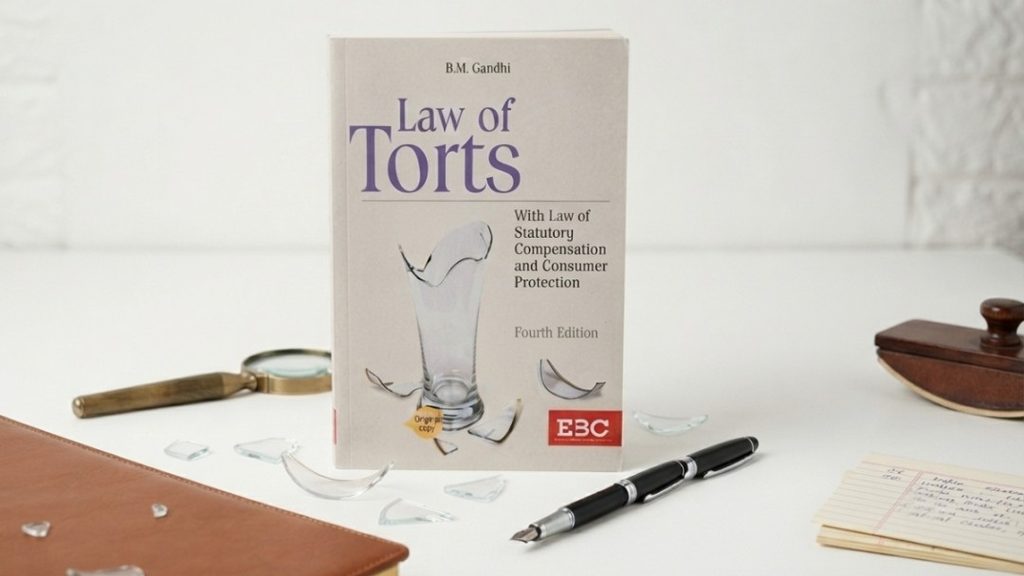
Curious for more? The reference book has it.