Background and Constitutional Basis
India borrowed the concept of prerogative writs from English common law, where such writs were originally royal commands used to control public authorities. The framers of the Constitution embedded this remedy directly into the fundamental rights chapter, making it one of the strongest protections available to citizens. Dr. B.R. Ambedkar famously called Article 32 the heart and soul of the Constitution, since it guarantees not just rights but the means to enforce them.
Key Legal Provisions
- Article 32: Grants the right to directly approach the Supreme Court for enforcement of fundamental rights. It is itself a fundamental right, meaning it cannot be easily taken away except through a constitutional amendment.
- Article 226: Empowers High Courts to issue writs not only for enforcing fundamental rights but also for any other legal right, giving High Courts a wider scope than the Supreme Court under Article 32.
- Article 227: Gives High Courts the power of superintendence over all courts and tribunals within their territorial jurisdiction, a supervisory power distinct from the writ jurisdiction itself.
- Article 136: Allows the Supreme Court to grant special leave to appeal against any judgment or order, a separate remedy often confused with writs but procedurally different.
- Article 359: Permits suspension of the right to move courts for enforcement of certain fundamental rights during a national emergency, a provision significantly curtailed after the Constitution (Forty-Fourth Amendment) Act, 1978.
- Contempt of Courts Act, 1971: Provides the enforcement teeth behind writ orders, since willful disobedience of a court’s writ direction can attract contempt proceedings.
- Supreme Court Rules, 2013: Lay down the procedural framework for filing writ petitions before the Supreme Court, including formatting and verification requirements.
The Five Types of Writs
| Writ | Meaning | Typical Use |
|---|---|---|
| Habeas Corpus | Literally “produce the body” | Challenges illegal detention, ordering the detaining authority to produce the person before the court |
| Mandamus | “We command” | Directs a public authority to perform a duty it is legally bound to perform |
| Prohibition | Forbidding order | Stops a lower court or tribunal from exceeding its jurisdiction |
| Certiorari | “To be certified” | Quashes an order already passed by a lower court, tribunal, or authority acting without or beyond jurisdiction |
| Quo Warranto | “By what authority” | Questions the legal right of a person to hold a public office |
Article 32 vs Article 226: Key Differences
| Aspect | Article 32 | Article 226 |
|---|---|---|
| Forum | Supreme Court only | Any High Court |
| Scope | Enforcement of fundamental rights only | Fundamental rights and any other legal right |
| Nature | A fundamental right itself | A constitutional power, not a fundamental right |
| Territorial reach | All over India | Limited to the High Court’s territorial jurisdiction |
| Discretion | Court generally bound to act if rights are violated | High Court has wider discretion to entertain or refuse |
Procedure for Filing a Writ Petition
- Identify the violation, whether of a fundamental right or, for Article 226, any other legal right.
- Determine the correct forum, the Supreme Court for Article 32 or the relevant High Court for Article 226. Draft and file the writ petition, following the format under the Supreme Court Rules, 2013 or the concerned High Court’s rules.
- The court examines maintainability and may issue notice to the respondent authority.
- Hearing takes place, often on an expedited basis given the urgency typical of writ matters.
- The court passes its order, which may include immediate directions, and disobedience can attract contempt proceedings.
Frequently Asked Questions
Article 32 allows petitions only for fundamental rights violations before the Supreme Court, while Article 226 lets High Courts address both fundamental rights and other legal rights.
Generally, you should approach the High Court first, since Article 226 offers broader grounds, though there is no strict rule preventing a direct Supreme Court approach for fundamental rights violations.
Mandamus directs a public authority to act, while certiorari quashes an action or order already taken by an authority acting beyond its power.
No fixed limitation period applies, but courts can dismiss petitions filed after unreasonable delay under the doctrine of laches.
Generally, writs target public authorities or bodies performing public functions, though a private entity discharging a public duty may sometimes be covered.
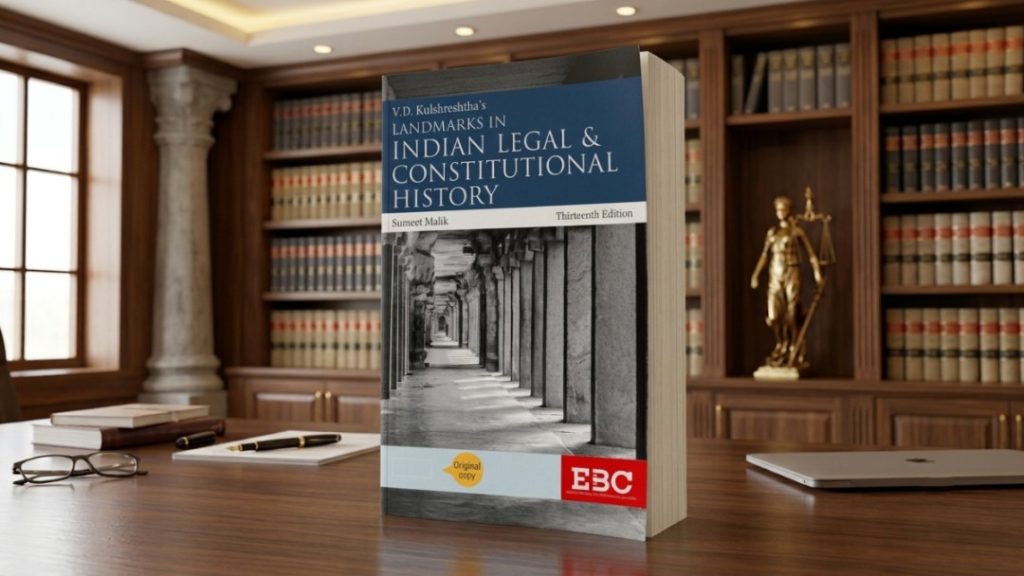
Want the deeper dive? Grab the reference book.