Domestic violence is often misunderstood as only physical assault. In reality, abuse within a household can take many forms — emotional, verbal, sexual, and even financial. Many women experience controlling or abusive behavior without realizing that the law recognizes such acts as domestic violence.
In India, women are legally protected against abuse within domestic relationships through specific laws designed to ensure safety, dignity, and access to justice.
This article explains what counts as domestic violence in India, the legal rights available to women, and the remedies provided under Indian law in simple and practical language.
What is Domestic Violence?
Domestic violence refers to abusive behavior by a person within a domestic relationship that harms, controls, intimidates, or threatens another person.
It can happen:
- within marriage,
- live-in relationships,
- family relationships,
- or shared households.
Domestic violence is not limited to physical injury. Indian law recognizes several forms of abuse.
Which Law Governs Domestic Violence in India?
The primary law is:
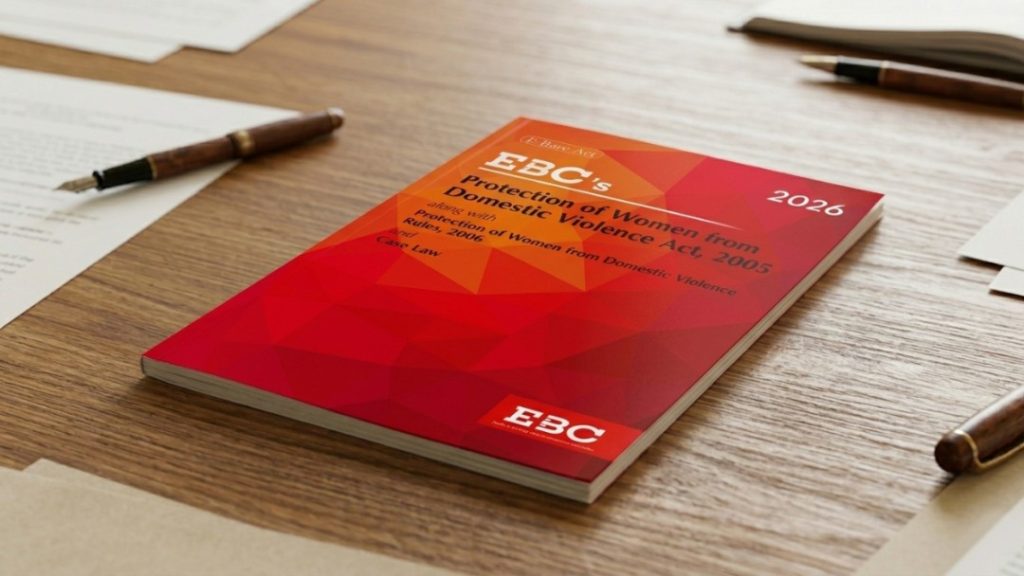
Protection of Women from Domestic Violence Act, 2005
This law was enacted to provide:
- immediate protection,
- residence rights,
- financial relief,
- and legal remedies to women facing domestic abuse.
The law is civil in nature but may also operate alongside criminal proceedings in certain cases.
Who is Protected Under the Domestic Violence Act?
The law protects:
Women in domestic relationships
This includes:
- wives,
- mothers,
- sisters,
- daughters,
- widows,
- female partners in live-in relationships.
The woman must have lived in a shared household with the respondent.
What Counts as Domestic Violence in India?
The law recognizes multiple forms of domestic abuse.
1. Physical Abuse
Physical violence includes:
- hitting,
- slapping,
- punching,
- kicking,
- choking,
- assault,
- causing bodily injury.
Even threats of physical harm may amount to domestic violence.
2. Emotional or Mental Abuse
Emotional abuse is one of the most overlooked forms of domestic violence.
Examples include:
- constant humiliation,
- insults,
- threats,
- controlling behavior,
- isolation from family,
- repeated intimidation,
- character assassination,
- verbal harassment.
Mental cruelty can seriously affect a woman’s dignity and mental health.
3. Economic Abuse
Economic abuse occurs when a woman is financially controlled or deprived of basic resources.
Examples:
- stopping access to money,
- denying food or medicines,
- restricting employment,
- taking away earnings,
- refusing household expenses,
- preventing financial independence.
Indian law recognizes economic abuse as domestic violence.
4. Sexual Abuse
Sexual violence within domestic relationships may include:
- forced sexual acts,
- coercion,
- degrading treatment,
- sexual humiliation.
The issue of marital rape continues to remain legally debated in India, but forced sexual conduct may still be relevant in domestic violence proceedings.
5. Verbal Abuse
Examples:
- abusive language,
- repeated insults,
- humiliating comments,
- taunts regarding infertility,
- degrading remarks about appearance or character.
Repeated verbal harassment may amount to domestic violence.
Rights of Women Under the Domestic Violence Act
The law provides several protections and remedies.
1. Right to Protection Orders
Courts may prohibit the abuser from:
- committing further violence,
- contacting the victim,
- entering certain places,
- threatening the woman.
2. Right to Residence
A woman has the right to reside in the shared household, even if:
- The property is not owned by her.
She cannot be unlawfully evicted without legal process.
3. Monetary Relief
Courts may order financial compensation for:
- medical expenses,
- maintenance,
- loss of earnings,
- household expenses.
4. Custody Orders
Temporary custody of children may be granted to protect their welfare and safety.
5. Compensation Orders
Courts may award compensation for:
- emotional distress,
- physical injuries,
- mental trauma.
Can Domestic Violence Cases Lead to Criminal Action?
Yes.
Domestic violence proceedings may exist alongside criminal complaints under other laws such as:
- cruelty by husband or relatives,
- assault,
- dowry harassment,
- criminal intimidation.
In serious cases, police action may also follow.
Frequently Asked Questions (FAQs)
1. What is considered domestic violence in India?
Domestic violence includes physical, emotional, verbal, sexual, and economic abuse within domestic relationships.
2. Which law protects women from domestic violence?
The main law is the Protection of Women from Domestic Violence Act, 2005.
3. Can emotional abuse amount to domestic violence?
Yes. Repeated humiliation, threats, insults, and controlling behavior may qualify as domestic violence.
4. Can a woman stay in the shared household after filing a complaint?
Yes. The law provides residence rights to women in shared households.
5. Is domestic violence limited to married women?
No. Certain women in live-in relationships may also be protected.
6. Can domestic violence proceedings and criminal cases run together?
Yes. Domestic violence proceedings may continue alongside criminal complaints where applicable.
7. Can financial control amount to domestic violence?
Yes. Economic abuse is specifically recognized under Indian law.
8. Where can a victim seek help?
A woman may approach police, Protection Officers, courts, NGOs, women’s commissions, or legal aid authorities.
For further reading and detailed analysis, refer to this resource.