Defaulting on a bank loan is more common than people think, but the consequences can be serious if you don’t act early. Whether it’s a home loan, personal loan, or business loan, Indian law gives banks clear powers to recover dues. At the same time, borrowers also have rights you should be aware of.
This guide explains what happens after loan default in India, the legal process, and what you can do to protect yourself.
What is Loan Default?
A loan default occurs when you fail to repay your EMI (Equated Monthly Installment) on time.
- Missing 1–2 EMIs → considered delayed payment
- Missing payments for 90 days → your account becomes an NPA (Non-Performing Asset)
Once your loan is classified as NPA, banks can begin legal recovery action.
Immediate Consequences of Loan Default
1. Penalties and Extra Charges
Banks start charging:
- Late payment fees
- Penal interest
- Additional charges on overdue amount
This increases your total loan burden significantly.
2. Drop in Credit Score
Your CIBIL score drops when you miss payments.
- Lower score = difficulty getting future loans
- Impacts credit cards, home loans, and even rentals
3. Continuous Recovery Calls
Banks or recovery agents may:
- Call frequently
- Send notices
- Ask for immediate payment
However, they cannot harass or threaten you, you have legal protection.
Legal Actions Banks Can Take
4. Legal Notice
After repeated defaults, banks send a formal legal notice demanding repayment.
5. Action Under SARFAESI Act
For secured loans (like home loans), banks can act under the
SARFAESI Act, 2002
This allows banks to:
- Seize your property
- Auction assets without court intervention
- Recover dues directly
6. Civil Lawsuit
Banks may file a case in court to recover money if dues remain unpaid.
7. Insolvency Proceedings
In serious cases, action can be taken under the
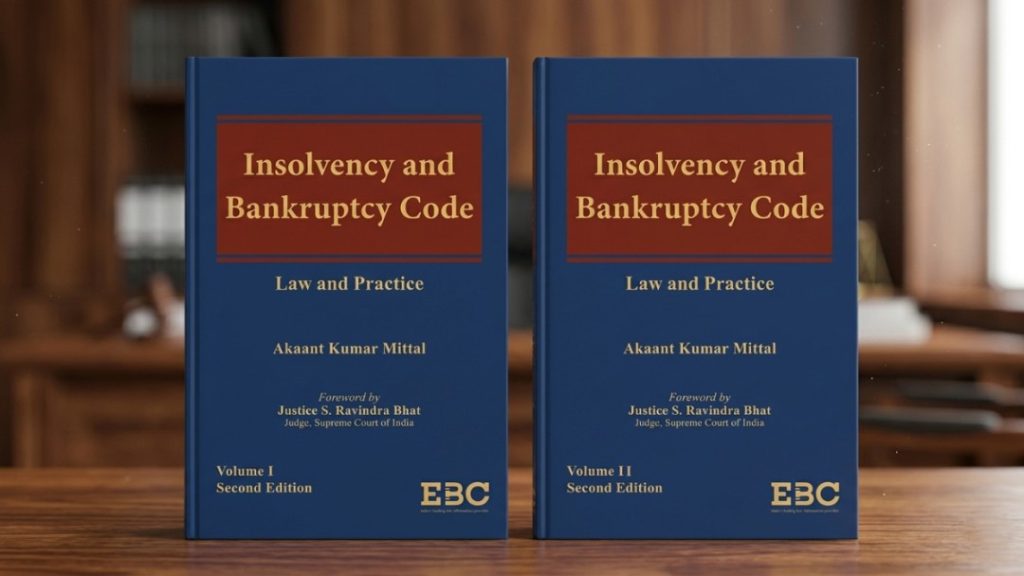
Insolvency and Bankruptcy Code, 2016
This may lead to:
- Asset liquidation
- Financial restructuring
- Legal insolvency declaration
Can You Go to Jail for Loan Default?
No, loan default is not a criminal offence.
However, you may face legal trouble if:
- You committed fraud
- You intentionally avoided repayment despite having money
Otherwise, it is treated as a civil matter, not criminal.
What About Guarantors?
If someone has guaranteed your loan:
- The bank can recover money from the guarantor
- Their credit score is also affected
Being a guarantor is a serious legal responsibility.
What You Should Do If You Default
1. Talk to Your Bank Early
Banks often provide:
- EMI restructuring
- Moratorium
- Settlement options
2. Opt for Loan Restructuring
This can:
- Reduce EMI
- Extend loan tenure
- Provide temporary relief
3. Consider Loan Settlement
You may negotiate a one-time settlement (OTS)
But note: this impacts your credit score
4. Know Your Rights
As per guidelines of Reserve Bank of India:
- Recovery agents cannot use force or threats
- You must be treated with dignity
- Calls must follow proper timing
Frequently Asked Questions (FAQs)
1. How many EMIs can I miss before default?
Usually, after 90 days of non-payment, your loan is declared NPA.
2. Can banks seize my house immediately?
No. They must follow due process under the SARFAESI Act before taking possession.
3. Will my credit score recover after default?
Yes, but it takes time and consistent repayment behavior.
4. Is loan settlement a good option?
It provides relief but negatively impacts your credit score.
5. Can recovery agents harass me?
No. Harassment is illegal. You can file a complaint with RBI or police.
6. What is the best solution if I cannot pay EMI?
Contact your bank immediately for restructuring or relief options.
For further reading and detailed analysis, refer to this resource.