Loan defaults are a growing concern in India, affecting both financial institutions and borrowers. Whether it’s a home loan, personal loan, or business loan, failure to repay can lead to serious legal consequences. At the same time, borrowers also have important rights and protections under Indian law.
This guide explains the legal action for loan default in India in simple terms, along with the rights of banks and borrowers.
What is a Loan Default?
A loan default occurs when a borrower fails to repay the loan as per the agreed terms—either by missing EMIs or not paying the full amount.
Typically, a loan is classified as a Non-Performing Asset (NPA) if payments are overdue for more than 90 days.
Common Types of Loans Affected
- Home loans
- Personal loans
- Car loans
- Business loans
- Credit card dues
Each type may follow slightly different recovery procedures, but the legal framework remains largely similar.
Legal Framework Governing Loan Defaults in India
Several laws regulate loan recovery and borrower protection:
- SARFAESI Act, 2002 – Allows banks to recover secured loans without court intervention
- Recovery of Debts and Bankruptcy Act, 1993 (RDB Act) – Enables banks to approach Debt Recovery Tribunals (DRTs)
- Insolvency and Bankruptcy Code, 2016 (IBC) – Provides a structured insolvency resolution process
- Indian Contract Act, 1872 – Governs loan agreements and obligations
Rights of Banks and Financial Institutions
Banks and lenders have legal authority to recover dues, but must follow due process.
1. Right to Issue Demand Notice
Banks can send a notice asking the borrower to repay dues within a specified time (usually 60 days under SARFAESI).
2. Right to Seize Secured Assets
If the borrower fails to repay, banks can take possession of mortgaged assets (like property or vehicles).
3. Right to Auction Property
Banks can auction seized assets to recover outstanding dues.
4. Right to Approach DRT
Banks can file a case before Debt Recovery Tribunals for faster recovery.
5. Right to Initiate Insolvency Proceedings
Under IBC, lenders can initiate insolvency against individuals or companies.
Rights of Borrowers
Borrowers are not powerless. The law provides several safeguards:
1. Right to Fair Notice
Borrowers must receive proper notice before any recovery action.
2. Right to Representation
Borrowers can challenge the bank’s action or raise objections.
3. Right Against Harassment
Banks cannot use abusive or illegal recovery methods.
4. Right to Redeem Property
Borrowers can reclaim their property by paying dues before auction.
5. Right to Approach Courts/DRT
Borrowers can file appeals against wrongful action by banks.
What Happens After Loan Default?
Step-by-Step Process:
- EMI missed → Reminder from bank
- Continued default → Account classified as NPA
- Legal notice issued (SARFAESI)
- Possession of secured asset
- Auction or legal proceedings
Criminal vs Civil Liability
- Civil Liability: Most loan defaults are civil matters (recovery of money)
- Criminal Liability: Applies only in cases of fraud, cheating, or wilful default
Consequences of Loan Default
- Negative impact on credit score (CIBIL score)
- Legal notices and recovery proceedings
- Loss of property or assets
- Difficulty in obtaining future loans
How Borrowers Can Avoid Legal Action
- Communicate with the bank early
- Opt for loan restructuring or moratorium
- Negotiate settlements
- Avoid ignoring notices
- Seek legal or financial advice
Practical Solutions for Loan Disputes
1. Loan Restructuring
Banks may revise repayment terms based on borrower’s financial condition.
2. One-Time Settlement (OTS)
Borrowers can negotiate to settle the loan by paying a reduced amount.
3. Mediation
Disputes can be resolved without lengthy litigation.
4. Filing Complaint with RBI Ombudsman
Borrowers can file complaints against unfair banking practices.
FAQs on Loan Default and Legal Action in India
1. Can I be arrested for not paying a loan?
No, unless there is fraud or criminal intent. Loan default is generally a civil matter.
2. How long before a loan becomes NPA?
After 90 days of non-payment.
3. Can banks seize property without court order?
Yes, under SARFAESI Act for secured loans, but due process must be followed.
4. Can I stop the auction of my property?
Yes, by repaying dues before the auction is completed.
5. What is a wilful defaulter?
A borrower who has the ability to repay but intentionally avoids payment.
6. Can I negotiate with the bank after default?
Yes, banks often allow restructuring or settlement options.
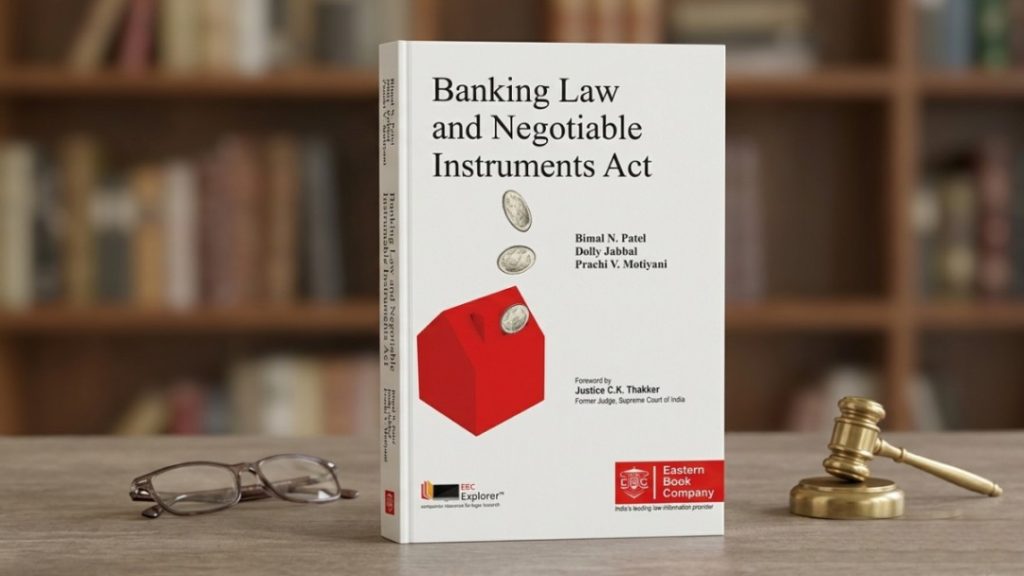
For a deeper understanding, you can refer to this resource.