In today’s digital world, platforms like YouTube, Instagram, and X have become powerful spaces for expression. Anyone with internet access can share opinions, news, and ideas instantly. But with this freedom comes a serious challenge: how to control harmful content without restricting free speech.
This is where the debate begins:
Should online speech be freely allowed, or strictly regulated?
What is Freedom of Speech in India?
Freedom of speech is a fundamental right under the Indian Constitution. It allows individuals to:
- Express opinions freely
- Share information
- Criticize policies or authorities
However, this right is not absolute.
Why Restrictions Exist
The law allows the government to impose reasonable restrictions to protect:
- Public order
- National security
- Morality and decency
- Protection against defamation
The key issue is deciding how much restriction is too much.
Laws Regulating Online Content in India
India regulates digital speech through multiple laws and rules:
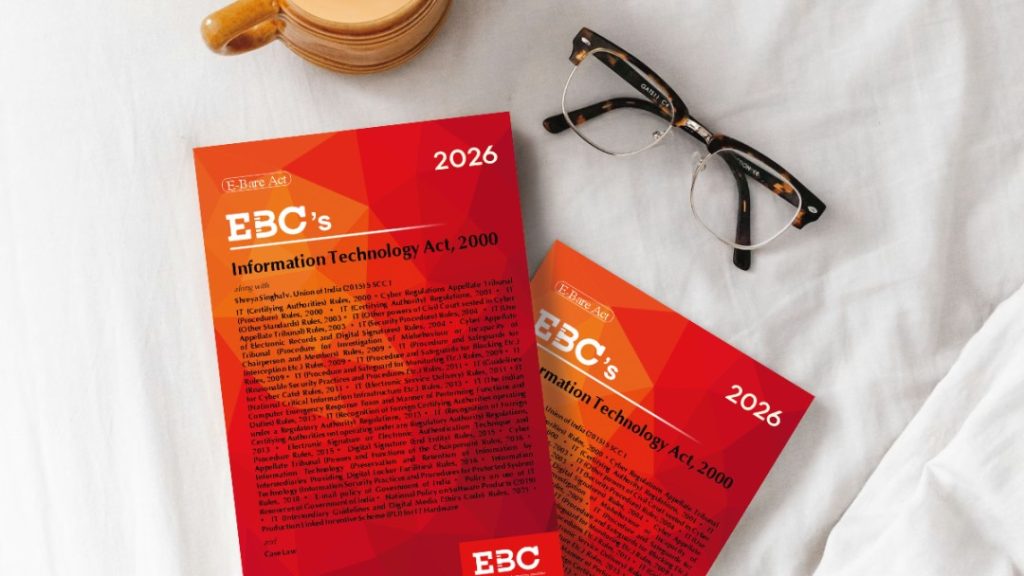
➤ Information Technology Act, 2000
- Governs online activities and cyber offences
- Allows blocking of harmful or illegal content
➤ IT Rules, 2021
These rules apply to social media platforms and online intermediaries.
Key features:
- Mandatory grievance redressal systems
- Faster content takedown requirements
- Compliance obligations for platforms
Platforms must follow these rules or risk losing legal protection.
How Online Content is Regulated in Practice
➤ Content Removal
Posts can be removed if they are:
- Harmful or offensive
- Misleading or fake
- A threat to public safety
➤ Platform Responsibility
Companies like Meta are required to:
- Monitor content
- Respond to complaints
- Act against violations
➤ Algorithmic Control
Content visibility is often controlled by algorithms that:
- Promote certain posts
- Limit the reach of others
This indirectly shapes what people see and say online.
Key Legal Challenges in 2026
➤ 1. Censorship vs Free Speech
Regulation can sometimes cross into censorship, limiting genuine expression.
➤ 2. Fake News and Misinformation
Controlling misinformation is necessary, but difficult without affecting real opinions.
➤ 3. Lack of Clear Definitions
Terms like “offensive content” or “harmful speech” are often vague, leading to confusion.
➤ 4. Platform Liability
Should platforms be responsible for user content, or just act as intermediaries?
➤ 5. Chilling Effect on Users
Fear of content removal or legal action may discourage people from speaking freely.
Frequently Asked Questions (FAQs)
1. Is online speech protected in India?
Yes, online speech is protected as part of freedom of speech, but it is subject to reasonable restrictions.
2. Can social media posts be removed by the government?
Yes, content can be removed if it violates laws or threatens public order or safety.
3. What are IT Rules 2021?
They are guidelines that regulate how social media platforms handle content, complaints, and compliance.
4. Are social media platforms responsible for user content?
They are generally intermediaries, but they must act against illegal content to maintain protection under the law.
5. What is the biggest challenge in online regulation?
Balancing free speech and control of harmful content without misuse of power.
For a deeper understanding, you can refer to this resource.