An arrest in India must strictly follow constitutional safeguards and criminal procedure. When the police act without legal basis or due process, the arrest becomes illegal — and the law provides clear remedies, including compensation. Here’s a simple, accurate guide.
1) What is an illegal arrest?
An arrest is considered illegal when it violates constitutional rights or statutory procedure, including situations such as:
- Arrest without reasonable grounds or a valid offence
- Arrest without following CrPC/BNS safeguards (e.g., no reasons recorded, no notice where required)
- Failure to inform grounds of arrest or the right to bail/lawyer
- Detention beyond 24 hours without production before a magistrate
- Arrest made to harass, intimidate, or for extraneous reasons
Article 22(1)–(2) of the Constitution mandates that an arrested person must be informed of the grounds of arrest and produced before a magistrate within 24 hours.
2) Key legal safeguards against illegal arrest
Indian law has built-in protections to prevent misuse of arrest powers:
- Arrest is not mandatory for every cognizable offence — police must justify necessity (especially for offences punishable up to 7 years).
- Reasons for arrest must be recorded in writing.
- Notice of Appearance (instead of arrest) should be issued where arrest is not necessary.
- Medical examination, intimation to a friend/relative, and memo of arrest are mandatory.
These principles were reinforced by the Supreme Court to curb arbitrary arrests.
3) Immediate remedies if you are illegally arrested
(a) Habeas Corpus
A writ of Habeas Corpus can be filed before the High Court or the Supreme Court of India for immediate release if detention is unlawful.
(b) Bail
If the arrest violates procedure or the offence is bailable, courts often grant bail as a matter of right.
(c) Quashing of FIR or proceedings
Under inherent powers, High Courts can quash FIRs or criminal proceedings arising from illegal or malicious arrests.
(d) Departmental action
Complaints can be made to senior police officers or police complaints authorities for disciplinary action against erring officials.
4) Compensation for illegal arrest and detention
Indian courts recognise monetary compensation as a public law remedy for violation of fundamental rights.
Constitutional basis
- Article 21 (Right to Life and Personal Liberty) — illegal arrest directly violates this right.
- Courts award compensation under public law, separate from civil damages.
Landmark principle
The Supreme Court has consistently held that the State is liable to compensate victims of illegal arrest and custodial abuse, regardless of later acquittal.
Who pays?
- Compensation is typically paid by the State, which may later recover it from responsible officers.
Amount of compensation
There is no fixed formula. Courts consider:
- Duration of illegal detention
- Mental and physical suffering
- Social stigma and loss of livelihood
- Conduct of authorities
Awards have ranged from thousands to several lakhs of rupees, depending on the severity.
5) Civil and criminal liability of police officers
Civil remedies
- A civil suit for damages for false imprisonment can be filed against the State and officials.
Criminal liability
- Police officers may face prosecution for offences like:
- Wrongful confinement
- Disobedience of law by public servant
- Sanction may be required, but courts can allow prosecution in clear abuse cases.
6) Practical steps if you face an illegal arrest
- Ask the grounds of arrest and demand they be recorded.
- Contact a lawyer immediately — this is a constitutional right.
- Ensure a memo of arrest is prepared and signed by a witness.
- Inform family or a trusted person.
- If released or granted bail, document everything — dates, officers’ names, medical reports.
- Consult counsel on compensation and writ remedies.
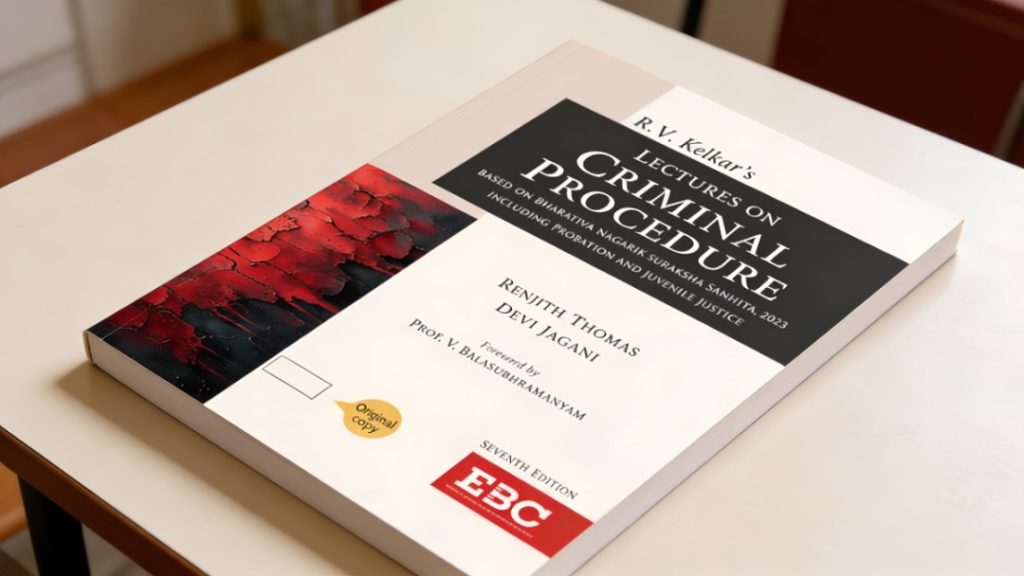
If you’d like to dive deeper into this subject, this resource offers further insights.