Starting a startup is exciting, ideas are flowing, teams are forming, and growth feels just around the corner. But amid the hustle, one critical area is often overlooked: employment law compliance. Whether you are hiring your first employee or building a growing team, understanding employment laws from the start can save your startup from legal trouble, financial penalties, and reputational damage later. This guide explains employment law basics for startups in simple, practical language, with a focus on Indian legal requirements.
Why Employment Law Matters for Startups
Many founders believe employment laws apply only to large companies. This is a misconception.
In reality:
- Employment laws apply from your very first hire
- Non-compliance can attract fines, litigation, and inspections
- Early mistakes are expensive to fix later
Good compliance also helps you:
- Build trust with employees
- Attract better talent
- Scale smoothly without legal roadblocks
Employee vs Consultant: Choosing the Right Engagement Model
One of the first legal decisions startups make is whether to hire:
- An employee, or
- An independent consultant/freelancer
Employees
Employees work under your control, fixed hours, and supervision. Indian law provides them protections related to:
- Wages
- Working hours
- Leave
- Social security benefits
Consultants / Freelancers
Consultants work independently, usually for a fixed project or period. However, calling someone a consultant does not make them one legally.
If a consultant:
- Works fixed hours
- Reports daily
- Uses company tools
- Is economically dependent on you
They may legally be treated as an employee, leading to penalties for misclassification.
Employment Contracts: Your First Line of Protection
Every startup should issue a written employment contract or offer letter.
A basic contract should clearly mention:
- Job role and responsibilities
- Salary and payment terms
- Working hours and location
- Leave entitlement
- Notice period and termination conditions
- Confidentiality and intellectual property clauses
Well-drafted contracts reduce disputes and protect your startup’s ideas, code, and data.
Wages, Working Hours, and Overtime
Indian labour laws regulate:
- Minimum wages (as per state notifications)
- Payment timelines
- Maximum working hours
- Overtime eligibility
Even startups must comply with:
- Minimum Wages Act
- Payment of Wages Act
- Relevant state labour rules
Long work hours or “startup culture” do not override wage laws.
Mandatory Registrations and Payroll Compliance
Once you start hiring, certain registrations may become mandatory depending on team size and salary levels.
These may include:
- Provident Fund (PF)
- Employees’ State Insurance (ESI)
- Professional Tax (state-specific)
- Shops and Establishments Act registration
Failing to register on time can lead to:
- Back payments
- Interest and penalties
- Legal notices
Leave and Holidays: What Startups Must Provide
Even small startups must provide basic leave benefits, such as:
- Weekly off days
- Paid leave / earned leave
- National and state holidays
- Sick leave (as per state law)
These rules usually come from the Shops and Establishments Act applicable in your state.
Workplace Policies: Not Just for Big Companies
Startups should have basic internal policies, even with small teams.
Important policies include:
- Code of conduct
- Anti-sexual harassment policy
- Leave and attendance policy
- Data protection and confidentiality guidelines
Under Indian law, companies with 10 or more employees must comply with the POSH Act and set up an Internal Complaints Committee.
Hiring, Equality, and Fair Practices
Indian law prohibits discrimination in employment on grounds such as:
- Gender
- Religion
- Caste
- Disability
Startups should:
- Use neutral job descriptions
- Ask only job-related interview questions
- Apply rules consistently across employees
Fair hiring practices protect both the company and its culture.
Termination and Exit: Handle With Care
Ending employment is often where startups face legal trouble.
Depending on the situation, termination may require:
- Notice or notice pay
- Settlement of dues
- Experience and relieving letters
- Compliance with retrenchment rules (in some cases)
Abrupt or unfair termination can result in:
- Labour complaints
- Legal notices
- Damage to employer brand
Common Employment Law Mistakes Startups Make
- Hiring without contracts
- Misclassifying employees as consultants
- Ignoring statutory registrations
- Skipping workplace policies
- Terminating without due process
Avoiding these mistakes early saves time, money, and stress.
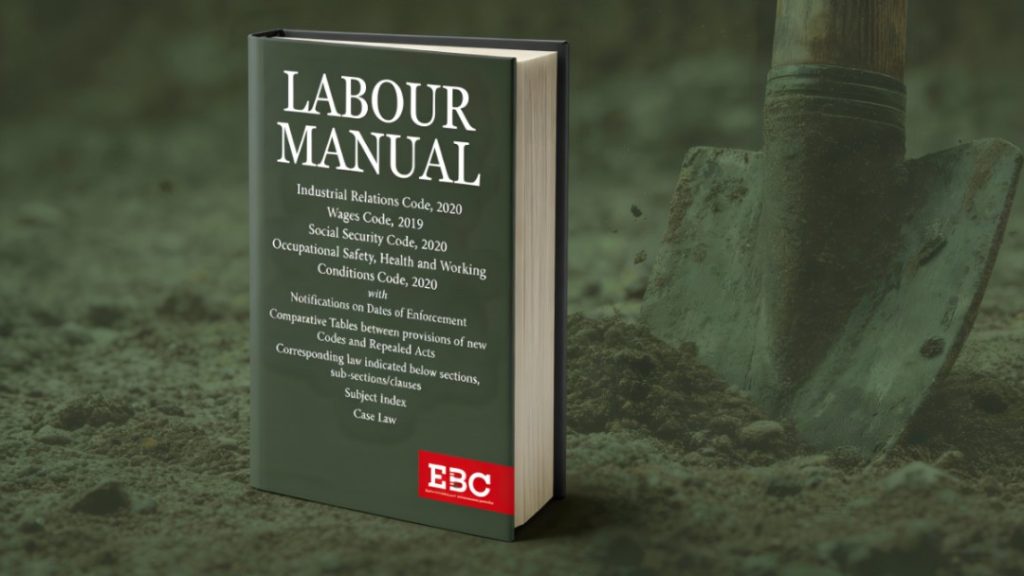
If you’d like to explore employment and hiring laws in greater detail, this book is a helpful resource.
You may also check out:
- How to Start a Startup: Choose the Right Business Structure
- How to Start a Startup: Startup Registration Basics
- How to Start a Startup: Founder Agreements & Equity Basics