Starting a startup in India isn’t just about building a product or getting customers. If your legal foundation is weak, you will face problems during fundraising, hiring, or exit.
This guide explains the essential contracts every Indian startup should have, why they matter, and when you need them.
Founder Agreement
Who signs
- All founders
What it must cover
- Equity split
- Roles & decision-making authority
- Vesting schedule (usually 4 years with a 1-year cliff)
- What happens if a founder exits
- Non-compete & confidentiality (to the extent enforceable in India)
Why it matters in India
Indian law does not “fill gaps” for founders. If things go wrong and there is no written agreement, disputes can freeze the company and scare away investors.
Incorporation Documents
Most common structure
- Private Limited Company under the Companies Act, 2013
Key documents
- Memorandum of Association (MoA)
- Articles of Association (AoA)
- Share subscription agreements
- Share certificates
Why it matters
This legally creates the company and defines:
- Shareholding
- Voting rights
- Board structure
- Transfer restrictions
Intellectual Property Assignment Agreements
Who must sign
- Founders
- Employees
- Consultants
- Freelancers
- Interns
What it does
- Transfers all inventions, code, designs, content, and ideas to the company
Why this is critical in India
Under Indian law, IP belongs to the creator unless assigned in writing.
If even one founder or contractor hasn’t signed this, investors may refuse to invest.
Employment Agreements
Must include
- Designation & compensation
- Confidentiality
- IP assignment
- Termination clauses
- Notice period
- Non-solicitation (more enforceable than non-compete)
India-specific compliance
Depending on size and state:
- PF & ESIC
- Shops & Establishments Act registration
- Gratuity (after 5 years)
Independent Contractor Agreements
Why this matters
Misclassifying employees as contractors can trigger:
- Tax issues
- Labor law violations
- Penalties during due diligence
Must clearly define
- Scope of work
- Payment terms
- IP ownership
- No employer-employee relationship
- Tax responsibility (TDS clarity)
Non-Disclosure Agreements
When to use
- Vendors
- Strategic partners
- Early collaborators
When NOT to use
- Pitching to investors (most Indian VCs will not sign NDAs)
What it protects
- Business plans
- Technical architecture
- Financial information
Customer Agreements
For SaaS, apps, platforms, marketplaces
- Terms of Service
- Privacy Policy
Why it matters in India
- Limits legal liability
- Required under Indian IT laws
- Mandatory if you collect user data
Data protection law
- Digital Personal Data Protection Act (DPDP Act)
Advisor Agreements
Used when
- Mentors advise regularly and receive equity
What it covers
- Equity percentage (usually 0.1%–1%)
- Vesting schedule
- Scope of advice
- No operational authority
Fundraising Documents
Early-stage instruments
- Convertible Notes (DPIIT-recognized startups)
- CCDs (Compulsorily Convertible Debentures)
- CCPS (Compulsorily Convertible Preference Shares)
What investors care about
- Clean cap table
- Founder vesting
- IP ownership
- Proper approvals & filings
What You Must NOT Skip
You can delay some paperwork, but never skip:
- Founder Agreement
- IP Assignment (everyone)
- Proper Incorporation
- Employment / Contractor Agreements
Skipping these is the #1 reason Indian startups fail due diligence.
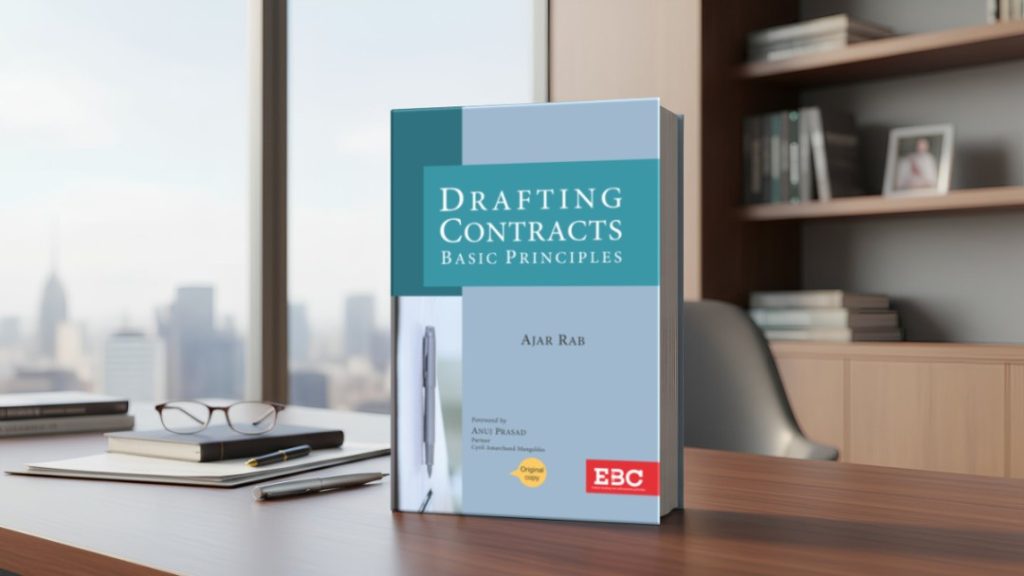
To know more about the topic, you may check out this resource.
Some similar recommendations:
- How to Start a Startup: Startup Registration Basics
- How to Start a Startup: Founder Agreements & Equity Basics