


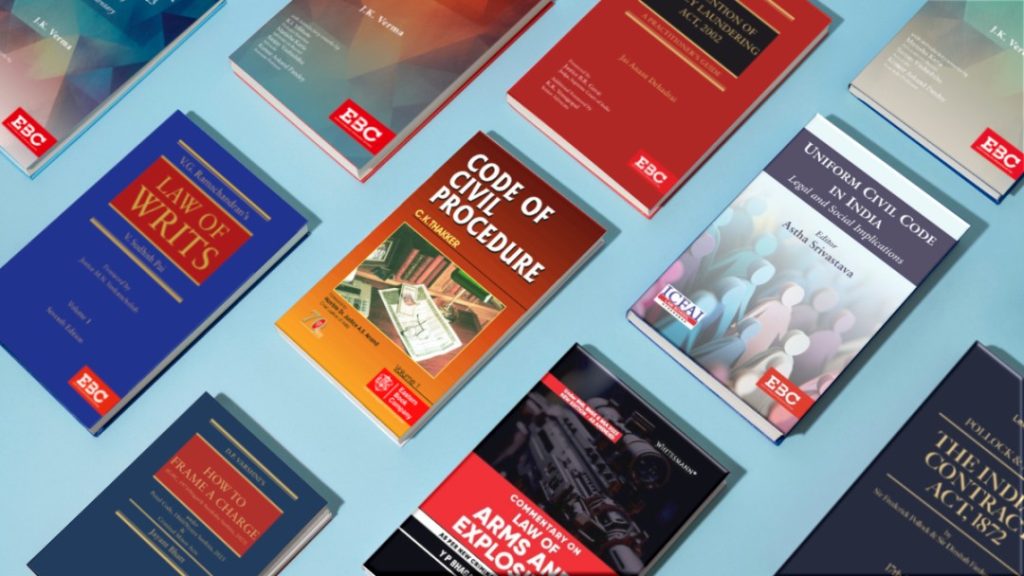
Staying updated with authoritative legal commentaries is essential for every lawyer aiming to refine their reasoning and stay ahead of evolving laws. This list highlights the top 10 must-read commentaries of 2025 that offer deep insights, practical guidance, and contemporary perspectives across core legal subjects.
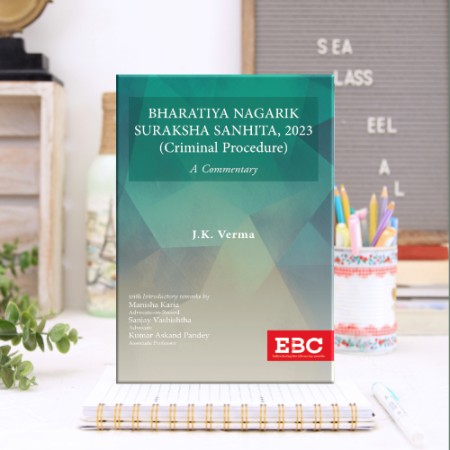
Bharatiya Nagarik Suraksha Sanhita, 2023
Bharatiya Nagarik Suraksha Sanhita, 2023: A Commentary by J.K. Verma explains the major changes introduced by the BNSS, which replaces the CrPC with 531 updated provisions. It highlights key reforms such as e-FIRs, mandatory and video-recorded victim statements, enhanced victim rights, and expanded police powers, including seizure of immovable property. Expert prefatory notes and a comparative CrPC–BNSS table aid deeper understanding. The book is a concise, valuable guide for practitioners, students, and anyone studying the new criminal procedure law.
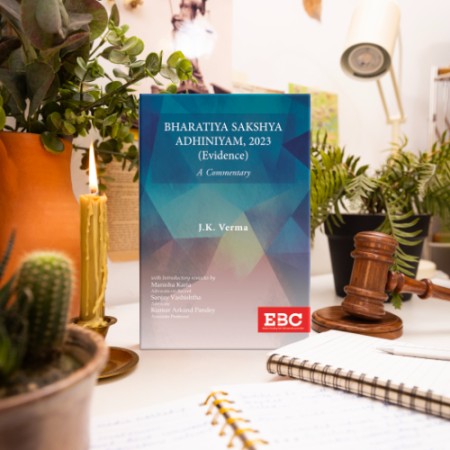
Bharatiya Nagarik Suraksha Sanhita, 2023
Bharatiya Sakshya Adhiniyam, 2023: A Commentary by J.K. Verma explains the updated evidence law that replaces the Indian Evidence Act, 1872, reflecting modern sociological and technological advancements. The new Act contains 170 sections, with major reforms such as recognising electronic records as primary evidence and allowing video-conference-based testimonies. It emphasises full digitalisation of the criminal process, including videographed search and seizure. Expert prefatory notes and a comparative table make this book an essential guide for practitioners, students, and anyone studying India’s new law of evidence
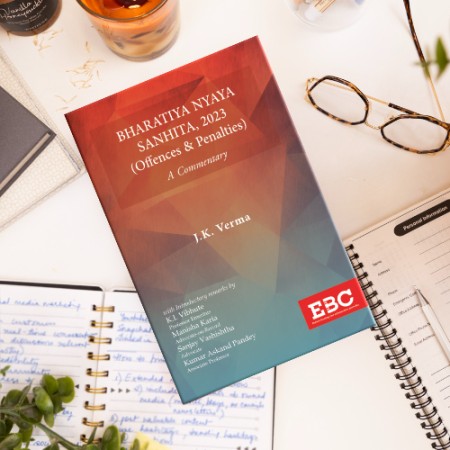
Bharatiya Nyaya Sanhita, 2023
Bharatiya Nyaya Sanhita, 2023: A Commentary by J.K. Verma explains the modern penal law that replaces the IPC, shedding its colonial framework to reflect contemporary social and scientific realities. The new BNS has 358 sections, with major structural changes, consolidated definitions, new offences (including organised crime, terrorism, and environmental harm), and updated punishments. It introduces terms like child and transgender, adds community service for certain offences, and removes provisions such as adultery and unnatural sex. Supported by expert prefatory notes and a comparative table, the book is an essential guide to India’s reformed law on offences and penalties.
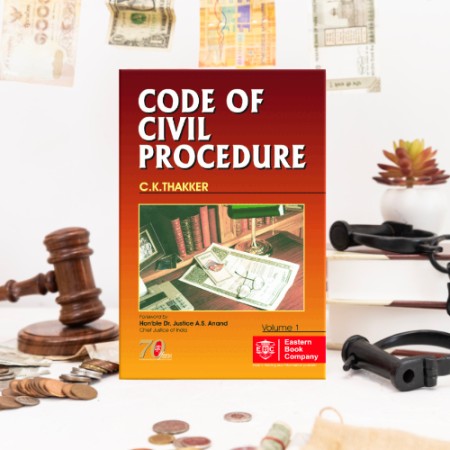
Code of Civil Procedure, 1908 (In 6 Volumes)
Justice Thakker’s Code of Civil Procedure is a landmark, authoritative work offering a clear and comprehensive analysis of the CPC, including the 1999 and 2002 amendments. It critically examines leading Supreme Court and High Court decisions, with references to English case law. The six-volume set covers the entire CPC and is enriched by contributions from eminent Supreme Court judges. Indispensable for the judiciary, practitioners, academicians, and law students.

Uniform Civil Code in India: Legal and Social Implications
This book provides a clear and balanced overview of the Uniform Civil Code (UCC) debate, explaining its links to personal laws, equality, secularism, gender justice, and national integration. Drawing on diverse scholarly papers from an ICFAI Law School seminar, it brings multiple ideological and disciplinary perspectives to key constitutional issues, including the interplay of Articles 14, 25, and 44. With its insightful analysis of minority rights, gender justice, and comparative frameworks, the volume encourages nuanced dialogue on one of India’s most sensitive legal questions. It is an essential resource for academics, policymakers, legal practitioners, and students of constitutional law.
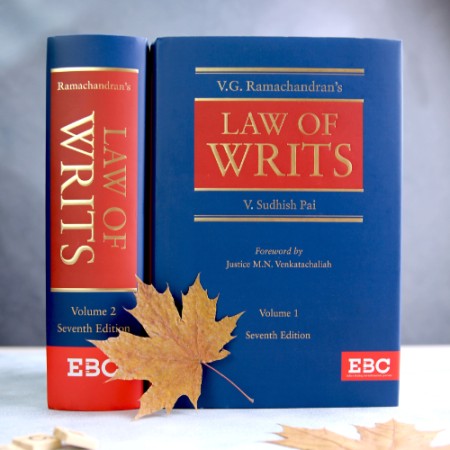
V.G. Ramachandran’s Law of Writs (in 2 volumes)
V.G. Ramachandran’s Law of Writs, revised by V. Sudhish Pai, is an authoritative and comprehensive commentary on writ jurisdiction. It covers judicial review, general principles, specific writs, supervisory jurisdiction of High Courts, and procedural aspects, incorporating all significant legal developments and case law. The work includes a new chapter on judicial review and updated appendices containing relevant constitutional and statutory materials. It is an indispensable reference for lawyers, judges, academicians, and scholars.
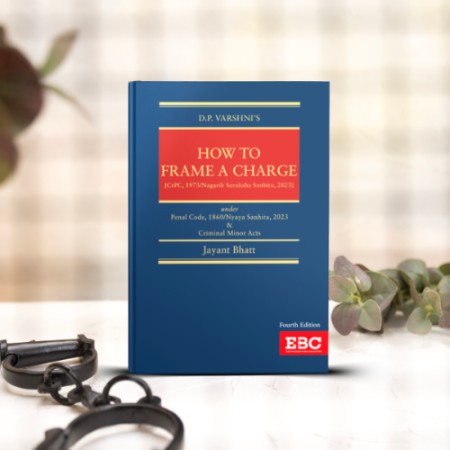
DP Varshni’s How to Frame a Charge
Framing of charge is the foundation of a criminal trial, and D.P. Varshni’s How to Frame a Charge, revised by Jayant Bhatt, offers a clear and authoritative commentary on the subject. The book compares the CrPC, 1973 with the Nagarik Suraksha Sanhita, 2023, and the IPC with the Nyaya Sanhita, 2023, with corresponding references to the Sakshya Adhiniyam, 2023. It includes detailed analysis, recent judicial decisions, and model charges under more than sixty-four statutes. The work is highly useful for judges, advocates, prosecutors, law enforcement agencies, and law students.
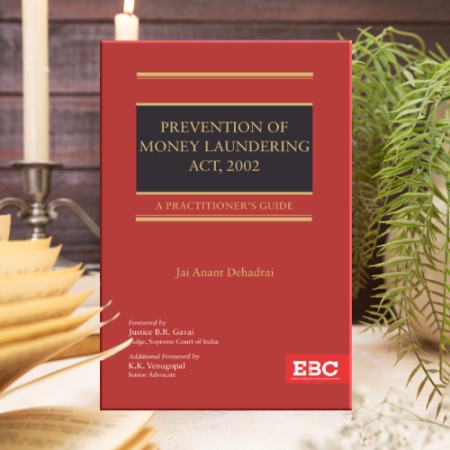
Prevention of Money Laundering Act, 2002 : A Practitioner’s Guide
Jai Anant Dehadrai’s Prevention of Money Laundering Act, 2002: A Practitioner’s Guide is a practical and authoritative commentary on the PMLA and its working. The book explains offences, attachment and confiscation of property, investigation by the Enforcement Directorate, and adjudication and appellate mechanisms. It incorporates important judicial decisions and procedural aspects relevant to practice. The work is especially useful for advocates, investigators, compliance professionals, and law students.
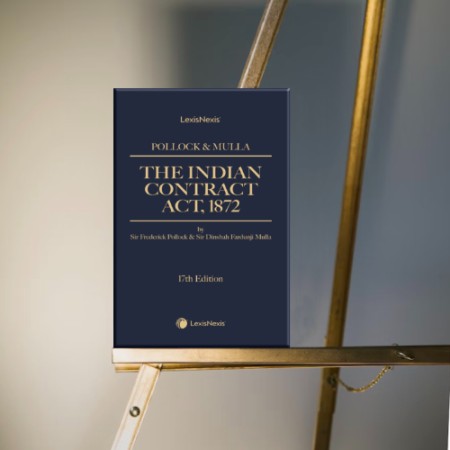
The Indian Contract Act, 1872
Pollock & Mulla: The Indian Contract Act, 1872 remains the most authoritative and comprehensive commentary on contract law, marking over 120 years of scholarly excellence. The latest edition offers thorough, section-wise analysis with updates on major judicial and legislative developments, including the 2023 amendment to Section 28 and several significant Supreme Court and High Court rulings. Written in a clear, analytical style that makes complex principles accessible, it is an indispensable reference for judges, lawyers, in-house counsel, academics, and students alike.

Commentary on Law of Arms and Explosives
Commentary on Law of Arms and Explosives: As per New Criminal Laws Perspectives by Y.P. Bhagat & Kumar Keshav offers a clear, authoritative, and up-to-date examination of India’s legal framework on arms and explosives. It incorporates recent legislative reforms and judicial rulings, explains regulatory requirements, offences, punishments, and defences, and provides practical guidance on investigation, prosecution, and adjudication. Designed for practitioners, students, policymakers, and law-enforcement officials, it serves as both a theoretical foundation and an application-oriented handbook on this specialised area of law.

vinod gupta
Great article! Civil lawyers in Bangalore play a vital role in resolving disputes related to property, contracts, and family matters. Having the right legal expert can make the entire process smoother and more efficient.